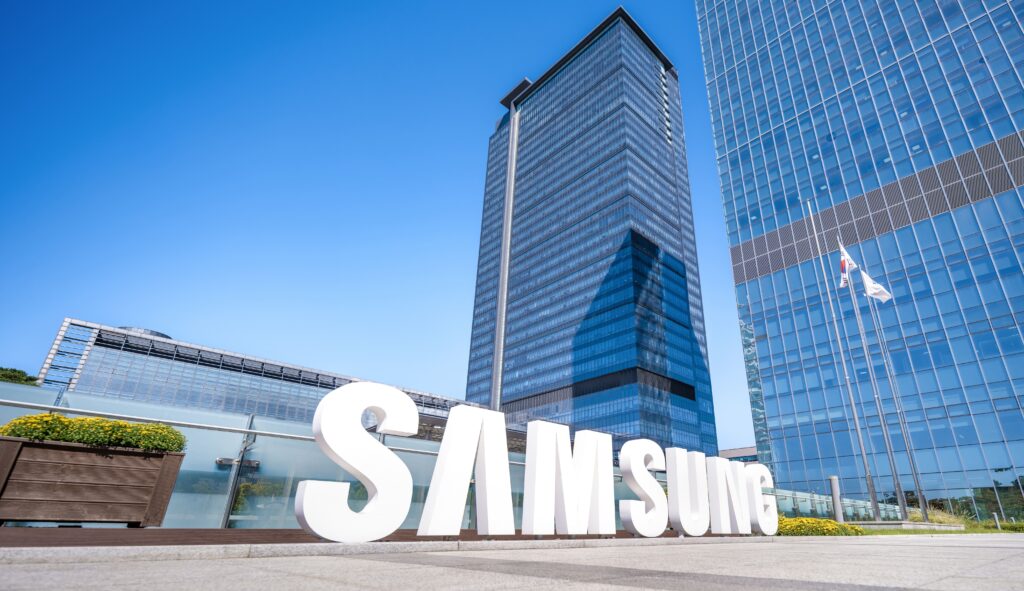
Samsung could be heading into one of its biggest labor crises in recent years as nearly 48,000 workers in South Korea are preparing to walk out on May 21 for an 18-day strike. The scale of the planned protest is huge because it reportedly involves around 38 percent of Samsung’s domestic workforce. What makes the situation even more serious is that many of the employees joining the strike belong to Samsung’s powerful memory chip division, which remains the company’s biggest profit engine globally.
The conflict reportedly comes down to one major unresolved issue — bonuses. Samsung and its largest labor union had already gone through negotiations with government mediation involved, and union leader Choi Seung-ho said several points had actually been accepted during discussions. But talks eventually stalled after the two sides failed to agree on how profits should be shared with workers. The union is now demanding that Samsung completely remove the current cap limiting employee bonuses to 50 percent of annual salary. On top of that, workers are also asking the company to allocate 15 percent of annual operating profit toward bonuses.
The timing of the demands is important because Samsung has recently been reporting massive profits, especially through its semiconductor and memory businesses. During the first quarter of 2026, the division containing its memory operations reportedly generated KRW 53.7 trillion in operating profit. That amount represented the overwhelming majority of Samsung’s total quarterly operating profit, which stood around KRW 57.2 trillion overall. Workers argue that if the company is earning record-level profits from their labor, then employees deserve a much larger financial share of that success.
Samsung, however, strongly pushed back against the union’s demands and described them as excessive. In its official response, the company reportedly argued that accepting such conditions would damage the basic principles of company management. The disagreement has now turned into a much larger battle over how wealth generated by the booming AI and semiconductor market should actually be distributed inside major tech companies.
Memory Chip Operations Could Feel the Pressure
The strike has attracted global attention mostly because Samsung remains the world’s largest DRAM maker by revenue. Memory chips are currently one of the hottest businesses in tech due to exploding demand tied to artificial intelligence, data centers, and high-performance computing. Any major disruption inside Samsung’s production pipeline could potentially affect supply chains far beyond South Korea itself.
Most of the workers joining the strike are reportedly connected to Samsung’s memory operations, which immediately raised concerns about manufacturing slowdowns. The union also pointed toward rival SK Hynix during negotiations, claiming employees there received bonuses roughly three times larger last year. That comparison appears to have intensified frustration among Samsung workers who feel the company is not rewarding them fairly despite soaring profits.
Samsung did manage to secure temporary legal relief after convincing a court to grant an injunction aimed at keeping some operations functional during the strike period. According to reports, more than 7,000 workers will still be required to report to work in order to prevent critical production facilities from shutting down entirely. Even with that measure though, analysts believe the labor action could still create operational stress if the standoff continues for the full 18 days.
Samsung Still Hoping to Avoid Full Shutdown
Despite the strike plans moving forward, Samsung says it has not completely given up on negotiations yet. The company stated it would continue pursuing dialogue “until the last moment” and insisted there should be “no strikes under any circumstances.” South Korean labor commissioner Park Soo-keun also confirmed that the government remains ready to step back into mediation if both sides return to the negotiating table before the walkout officially begins.
The situation honestly reflects a much larger trend happening across global tech industries right now. As AI demand drives record profits for semiconductor giants, workers inside those companies are increasingly questioning why executive success and corporate growth are not translating into bigger rewards for employees. Samsung’s battle with its union may end up becoming one of the biggest examples yet of how tensions between labor and big tech are evolving in the AI era.
For now, the strike is still scheduled to begin May 21 unless a last-minute agreement changes the situation completely. But with both sides publicly digging into their positions, the standoff already feels much bigger than a normal bonus dispute.