Whenever a major war or geopolitical conflict breaks out somewhere in the world, one of the first things people usually notice is rising fuel prices. Petrol and diesel become expensive almost immediately, transport costs increase, and within weeks even daily groceries start getting costlier. That’s because modern economies still depend heavily on crude oil, and wars create fear around supply disruptions long before shortages even actually happen.
A large portion of the world’s oil moves through politically sensitive regions like the Middle East. If conflict threatens oil-producing countries, shipping routes, pipelines, or refineries, global markets react very aggressively. Traders start expecting lower supply in the future, so crude oil prices shoot up. Even rumors of escalation can push prices upward because oil markets operate heavily on fear and speculation.
How War Directly Impacts Petrol And Diesel Prices
Countries like Saudi Arabia, Iran, Russia and Iraq play massive roles in global oil production. If wars affect these regions, international crude supply becomes uncertain very quickly. Shipping insurance costs rise, transportation becomes risky, and sanctions can also limit exports. All of that increases global oil prices.
For countries like India, the impact becomes even more serious because India imports most of its crude oil from other nations. When global crude prices rise, Indian fuel companies eventually increase petrol and diesel prices too. That doesn’t just affect vehicle owners. It also raises transportation costs for goods, food delivery, farming equipment, flights, and public transport.
Inflation usually follows soon after. Vegetables, milk, construction materials, online deliveries, and even electricity production in some regions become more expensive because fuel touches almost every industry indirectly.
Why EVs Are Becoming A Better Option During Global Instability
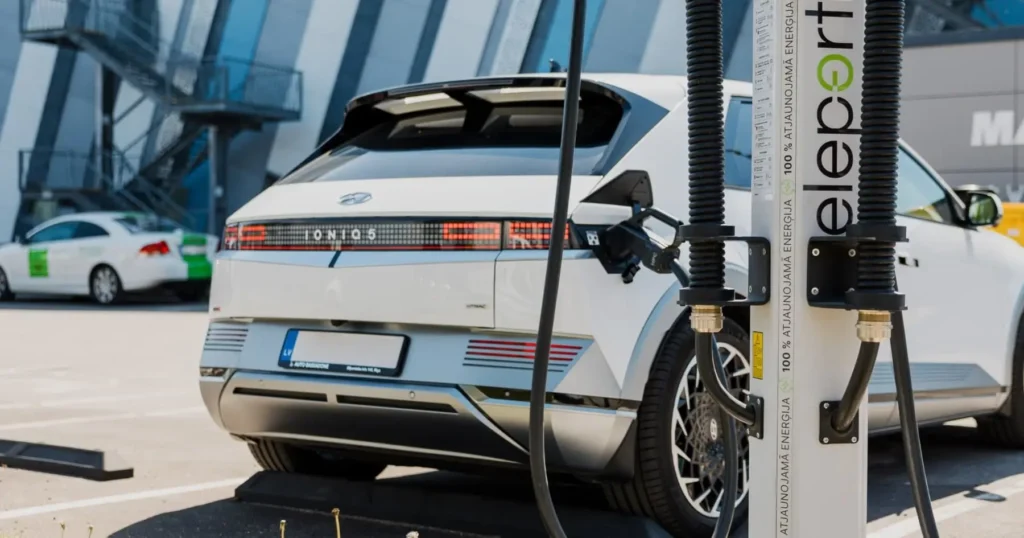
This is exactly why electric vehicles are now looking far more attractive than before. EV owners are less dependent on international oil politics because electric charging mainly depends on domestic electricity generation instead of imported fuel. Even when global oil prices spike because of wars, EV charging costs usually remain much more stable compared to petrol and diesel.
An electric car or scooter also has lower running costs overall. Petrol prices can change weekly during global crises, but electricity prices generally move slower and more predictably. That stability matters a lot for middle-class families and businesses trying to manage monthly expenses.
Another reason EV adoption is accelerating is energy independence. Governments worldwide now realize relying too heavily on imported oil creates national security risks during wars and diplomatic tensions. Countries are investing more into renewable energy, local battery manufacturing, and EV infrastructure to reduce vulnerability to global oil shocks.
Of course EVs still have challenges. Charging infrastructure remains uneven in many areas, battery replacement costs are high, and electricity generation itself still depends partly on coal in countries like India. But despite those issues, wars and unstable oil markets are making electric vehicles look less like a futuristic experiment and more like a financially safer long-term option.
That shift is probably one of the biggest reasons why almost every major automaker today is aggressively pushing EV development. Global conflicts are no longer just military or political stories anymore — they directly affect everyday transportation costs for millions of people.