Harnessing Sunshine: NASA’s Bold Leap Toward Moon Settlements
Imagine using the sun’s power to set the stage for human life on the Moon. In a groundbreaking leap towards the future, NASA is exploring the potential of the sun to unlock oxygen from the Moon’s surface. This isn’t just about scientific curiosity; it’s about making long-term lunar living a reality. The key player in this extraordinary mission is a prototype that utilizes concentrated sunlight to free oxygen from lunar soil, and in the process, produce carbon monoxide — a critical element in creating rocket fuel.
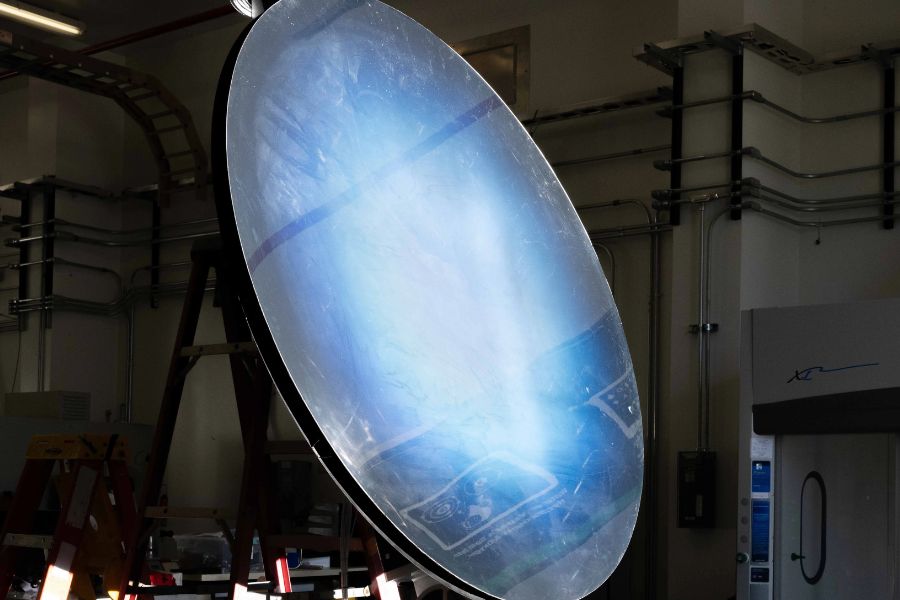
NASA’s cutting-edge endeavor is known as the Carbothermal Reduction Demonstration (CaRD) project. By harnessing solar energy, the prototype can release oxygen from the Moon’s soil, a resource bound up in the minerals of its surface. The process is as fascinating as it sounds: a large mirror captures the sun’s rays, channeling this energy into a reactor where lunar soil is transformed. The result? The production of carbon monoxide, which can then be converted into pure oxygen gas — a vital component for propellant that could cut costs and increase efficiency for future lunar missions.
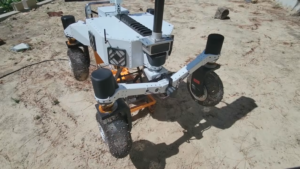
The global space community is buzzing with similar initiatives. The European Space Agency (ESA) is not far behind, sponsoring a project to extract oxygen from lunar soil using solar energy. ESA engineers are working on a method to free oxygen by heating moon dust with molten salt, showcasing the Moon’s soil’s richness, with up to 45% oxygen by weight. Meanwhile, Australia and NASA are collaborating on a mission to send a rover to gather lunar soil, supporting NASA’s oxygen production ambitions.
Private companies are also throwing their hats into the ring, with Blue Origin developing the “Blue Alchemist” system. This innovative approach uses solar power to melt moon dust, separating oxygen through electrolysis and leaving behind potentially useful metals. Such technological strides are not just about scientific exploration; they represent the hope of creating self-sustaining lunar habitats, paving the way for a future where human presence on the Moon is not just a dream but a tangible reality.
For space enthusiasts and the industry, these advancements paint an exciting picture. The ability to produce oxygen and fuel directly on the Moon could revolutionize space travel, reducing the need for costly Earth-based resources. This opens doors to more ambitious missions, not just to the Moon but potentially beyond, making the solar system far more accessible.
As we continue to reach for the stars, these initiatives remind us of humanity’s endless curiosity and ingenuity. The dream of establishing a lunar colony is inching closer to reality, promising a new chapter in space exploration. With every beam of sunlight captured and every ounce of oxygen freed, we’re getting a step closer to calling the Moon our second home. Here’s to a future where the night sky is more than just a view, but a destination.