Samsung may soon push smartphone customization to a whole new level. The South Korean tech giant is reportedly exploring the idea of “vibe coding” tools powered by artificial intelligence, which could allow Galaxy users to modify apps and even reshape parts of the phone’s interface according to their preferences.
While the concept is still under consideration, the move hints at a future where users can create or tweak software experiences on their phones without needing advanced programming skills.
Samsung Interested in AI-Powered Coding Tools
According to a report by TechRadar, Samsung’s mobile leadership is actively exploring the idea of integrating vibe coding tools into its ecosystem.
During a conversation with the publication, Won-Joon Choi, President and Chief Operating Officer of Samsung’s Mobile eXperience (MX) Business, described the concept as “very interesting.” He suggested that such tools could potentially open up entirely new ways for users to personalize their smartphones.
Instead of relying only on pre-installed apps and standard customization options, users might eventually be able to modify the behavior of apps and system features directly through AI assistance.
What ‘Vibe Coding’ Could Mean for Smartphone Users
If Samsung moves forward with the idea, vibe coding could dramatically change how people interact with their phones.
Traditionally, smartphone users are limited to the customization options provided by developers or the operating system. With AI-assisted coding tools, however, users could potentially:
- Modify or adjust existing apps
- Create simple tools or features tailored to their needs
- Customize the look and behavior of the phone’s interface
- Build small system-level experiences without writing complex code
The AI would essentially act as a coding assistant, generating or editing software elements based on natural language instructions.
For example, instead of manually coding an app, a user might simply describe what they want — and the AI would generate the required functionality.
The Rise of AI Coding Assistants
The idea of vibe coding has been gaining traction across the tech industry. In simple terms, it refers to using large language models to generate, edit, debug, or deploy code.
Major technology companies such as OpenAI, Google, and Anthropic have already introduced AI tools that help developers write software faster and more efficiently.
Samsung exploring this concept for smartphones signals an interesting shift — bringing developer-style creativity directly to everyday users.
If implemented successfully, it could blur the line between app developers and regular smartphone users.
Samsung’s Growing Focus on AI
The possible addition of vibe coding tools also aligns with Samsung’s broader push into AI-driven smartphone features.
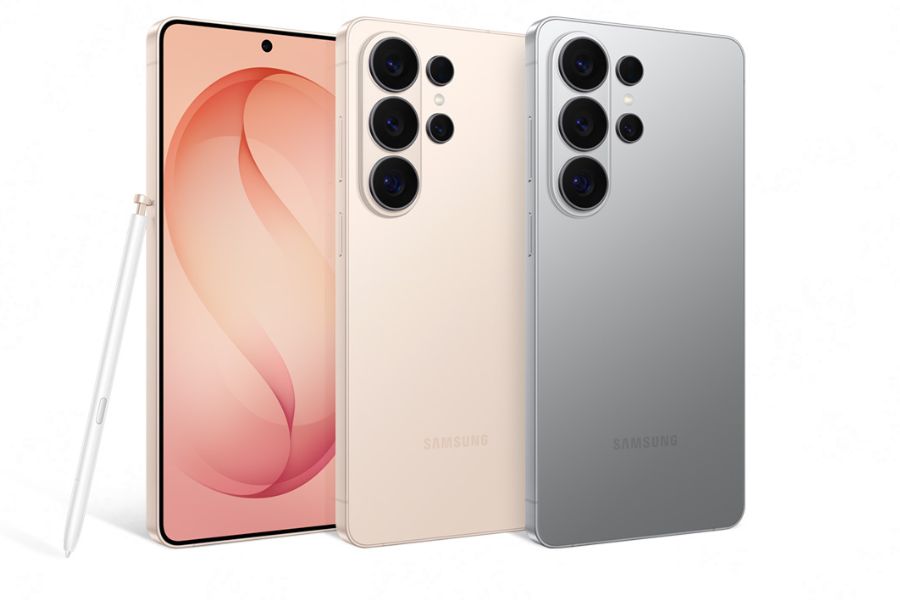
The recently launched Galaxy S26 series introduced several new AI capabilities designed to make everyday tasks easier and more intuitive.
Some of the standout features include:
- Now Nudge: Uses screen context to offer real-time suggestions and shortcuts
- Agentic Task Execution: Performs complex multi-step tasks across multiple apps automatically
- Photo Assist Suite: Lets users edit photos using natural language commands
- Creative Studio: Generates stickers, wallpapers, and visual elements from sketches or text prompts
These tools show Samsung’s vision of turning smartphones into intelligent assistants rather than just communication devices.
When Could Vibe Coding Arrive?
For now, Samsung has not confirmed a launch timeline for the feature. The company is reportedly still evaluating how such tools could work within the Galaxy ecosystem.
Developing AI systems that allow safe, secure, and reliable modification of apps and system interfaces will likely take time.
However, if the idea moves beyond experimentation, it could become one of the most transformative smartphone features in the coming years.
Final Words
The possibility of AI-powered vibe coding tools on Galaxy devices suggests an exciting direction for smartphone innovation. Instead of simply downloading apps, users might soon be able to shape their own digital experiences directly on their phones.
While Samsung has only expressed interest so far, the concept highlights how artificial intelligence could redefine the way people interact with technology — turning smartphones into personalized, creative platforms rather than fixed systems.