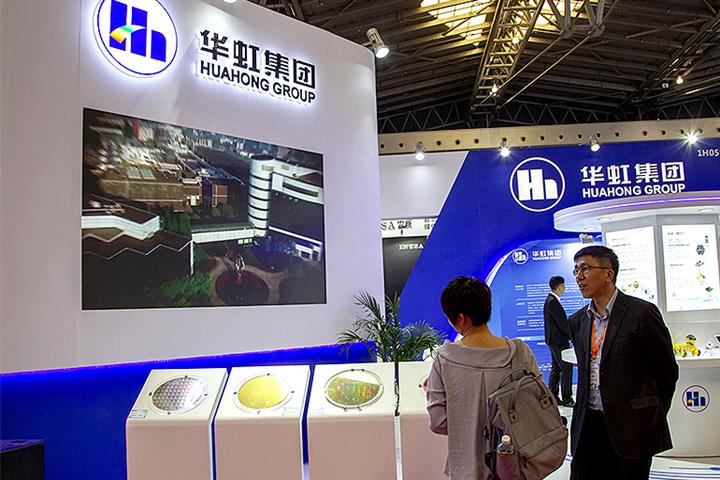
China’s semiconductor ambitions have taken a significant step forward as Hua Hong Group, the country’s second-largest chipmaker, has reportedly developed advanced chip manufacturing technology capable of producing artificial intelligence chips. The development marks a major milestone in Beijing’s broader strategy to reduce reliance on foreign semiconductor technology and strengthen its domestic chip industry.
According to sources familiar with the matter, Hua Hong’s contract manufacturing arm, Huali Microelectronics, is preparing a 7-nanometre chipmaking process at its facility in Shanghai. If successful, the breakthrough would make Hua Hong only the second Chinese company capable of producing chips at this advanced level.
At present, China’s largest contract chipmaker, Semiconductor Manufacturing International Corporation (SMIC), is the only domestic firm known to have achieved 7-nanometre chip manufacturing capabilities.
A Key Step in China’s AI Chip Strategy
The move comes at a time when artificial intelligence has become a central battleground in global technology competition. Advanced chips are critical for powering AI models, data centers, and high-performance computing systems.
Beijing has been encouraging domestic companies to develop homegrown alternatives to Western technology, particularly after the United States imposed export restrictions on advanced semiconductor equipment and AI chips in recent years.
Although Washington eased some restrictions last year — allowing companies like Nvidia to resume limited sales of certain AI chips to China — the Chinese government continues to push for greater technological self-sufficiency.
Developing a domestic 7-nanometre manufacturing process is therefore seen as a crucial step in strengthening China’s semiconductor ecosystem.
Huawei’s Reported Involvement
Sources familiar with the project said Chinese technology giant Huawei has been working with Hua Hong on developing the 7-nanometre chip technology. The collaboration highlights Huawei’s ongoing role in China’s efforts to build an independent semiconductor supply chain.
However, details about how Hua Hong achieved the breakthrough remain unclear. Industry insiders say it is not yet known which major equipment suppliers were involved in the process or how efficient the manufacturing yields currently are.
Hua Hong Group, Huali Microelectronics, and Huawei have not publicly commented on the development.
Stock Surge After Report
News of the advancement had an immediate impact on the market. Shares of Hua Hong Semiconductor surged around 12 percent following the report, reflecting investor optimism about the company’s potential role in China’s AI chip production.
Testing and Development Underway
Sources said Huali Microelectronics began research and development on the 7-nanometre process last year at its Hua Hong Fab 6 facility in Shanghai. The project reportedly received support from domestic equipment suppliers, including Huawei-backed semiconductor equipment company SiCarrier.
Testing of some of the equipment took place at a facility in Shenzhen, according to people familiar with the project.
The Fab 6 facility currently produces logic chips using 22-nanometre and 28-nanometre technologies, making it the most advanced manufacturing plant within the Hua Hong Group’s network of seven semiconductor foundries.
Initial Production Plans
The company is reportedly planning a modest initial production capacity of several thousand wafers per month by the end of the year. The goal is to gradually increase output once the process stabilizes and manufacturing yields improve.
One source said Chinese GPU designer Biren has already begun using the new 7-nanometre line for tape-out — the stage where a chip design is finalized and turned into a physical prototype for testing before mass production.
Biren had previously relied on Taiwan’s TSMC for chip manufacturing but lost access to the foundry’s services after being placed on a U.S. trade blacklist in 2023.
Challenges in Advanced Chip Manufacturing
Even with the new progress, China’s semiconductor industry still faces major challenges. Producing advanced chips requires extremely complex manufacturing equipment, much of which comes from foreign suppliers.
For example, SMIC uses immersion lithography machines produced by Dutch semiconductor equipment giant ASML to manufacture its 7-nanometre chips. However, analysts have noted that production yields — the number of working chips produced from each wafer — have remained relatively low.
These challenges highlight the technological gap China still needs to close to compete with leading chip manufacturers such as TSMC and Samsung.
Funding Future Upgrades
The development also follows a strategic move announced in December, when Hua Hong Semiconductor revealed plans to acquire a controlling stake in Huali Microelectronics.
The company said it intended to raise approximately 7.56 billion yuan (about $1.1 billion) to fund technological upgrades and expand research and development at the foundry.
Final Words
Hua Hong’s progress in developing 7-nanometre chip technology represents a significant step for China’s semiconductor industry and its ambitions to become more self-reliant in advanced technology. While the road to fully competitive AI chip production remains complex, the breakthrough signals that Chinese chipmakers are gradually closing the gap with global leaders.
As the global race for semiconductor dominance intensifies, developments like this could reshape the balance of power in the technology sector and accelerate China’s push toward building a fully domestic AI ecosystem.