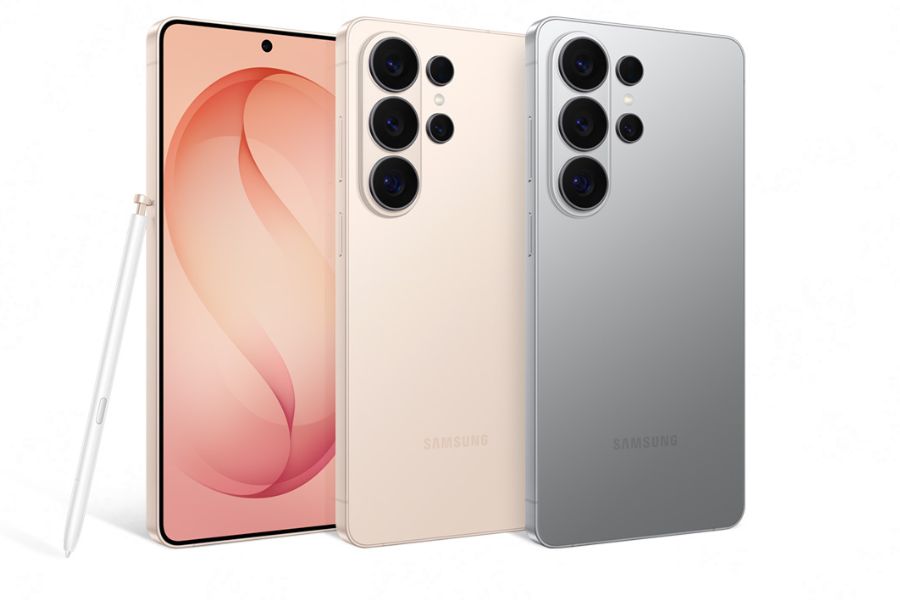
Samsung might be preparing one of its biggest design shifts in years, but it’s not as straightforward as it sounds. Early reports suggest the Samsung Galaxy S27 lineup could feature a noticeable change in its rear camera layout, something that hasn’t really evolved much in recent generations. The idea isn’t just about aesthetics either, it’s tied to deeper internal changes that could open the door for new features like magnetic accessories and upgraded wireless charging. Still, nothing is confirmed yet, and the company seems to be carefully weighing its options before locking anything in.
According to early leaks coming from industry tipsters, Samsung is currently reviewing multiple aspects of the phone’s design, not just the camera placement. That includes internal structure, component arrangement, and how everything fits together to support upcoming features. The camera module, which has become a defining visual element of Galaxy S devices, might be reshaped or repositioned to accommodate these changes. But since this information is based on limited sources, it’s still very much in the “under evaluation” stage rather than a finalized plan.
One of the biggest reasons behind this potential redesign appears to be support for next-generation wireless charging, particularly Qi2 wireless charging. This standard brings magnetic alignment into the mix, similar to what we’ve seen in other ecosystems, allowing accessories to snap onto the device more securely. To make that work, Samsung may need to rethink how internal components are arranged, and that naturally affects where the camera system sits on the back. So this isn’t just a cosmetic update, it’s a structural shift that could change how the device is used.
However, there’s a practical challenge that could slow everything down — cost. Reports suggest that rising prices for key components like memory and storage are already putting pressure on development decisions. If those costs continue to climb, Samsung might either delay the redesign or limit it to certain models within the lineup. There’s also talk that newer technologies like UFS 5.0 storage might only appear in select variants rather than across the board, which shows how carefully the company is balancing innovation with pricing.
Interestingly, Samsung could test this new design language on another device before rolling it out to the Galaxy S series. That approach would allow the company to gather feedback and fine-tune the concept without risking its flagship lineup right away. If that happens, we might get an early preview of what the future Galaxy design could look like before the S27 officially arrives.
At the same time, other upgrades are also being discussed for the series, including the possibility of a silicon-carbon battery, which could improve battery life without increasing size. Combined with potential chipset updates and internal optimizations, the Galaxy S27 is shaping up to be more than just a visual refresh — if these plans actually make it to the final product.
For now, though, everything remains in flux. Samsung hasn’t confirmed any redesign, and with so many moving parts involved, plans could easily change over the coming months. But if even part of this comes through, the Galaxy S27 could mark a noticeable shift in how Samsung approaches both design and functionality in its flagship phones.