A major shift in the US–China tech standoff
In a significant policy reversal, the US government has officially allowed Nvidia to resume sales of its advanced AI processors to China. The announcement, confirmed by the US Department of Commerce on Tuesday, marks a fresh chapter in the ongoing geopolitical tug-of-war between Washington and Beijing over artificial intelligence dominance.
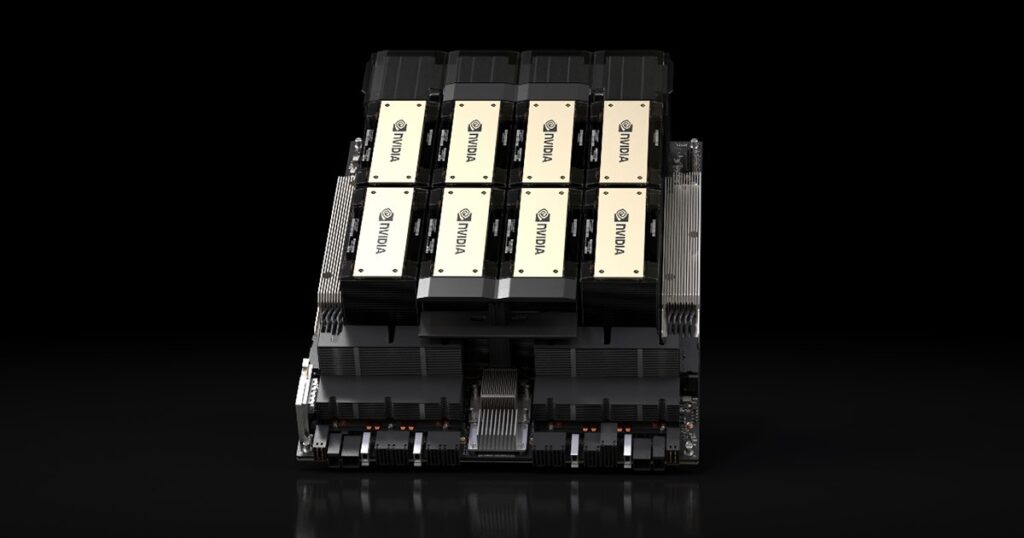
At the centre of the decision is Nvidia’s H200 chip, one of the company’s most powerful AI processors — though still a step below its latest Blackwell platform.
Why the H200 chip matters
The H200 is Nvidia’s second-most-advanced AI semiconductor, designed for high-end data centres and AI workloads. Until now, it had been restricted by Washington over fears that it could boost China’s technology sector and military capabilities.
Under the revised export policy, Nvidia can ship H200 chips — and some less advanced processors — to China only if there is sufficient supply within the US. Chinese buyers must also meet strict security requirements and prove the chips won’t be used for military purposes.
Notably, Nvidia’s cutting-edge Blackwell AI chips, considered the most advanced in the world, remain completely banned from sale in China.
Trump’s approval — with a price tag
US President Donald Trump had hinted at this move last month, saying he would allow chip sales to “approved customers” in China — but with a catch.
Under his proposal, the US government will collect a 25% fee from Nvidia’s China-related chip revenue. It’s an unusual approach that blends trade policy with direct revenue sharing — and one that could set a precedent for future tariff negotiations.
Industry analysts say this “cut-based” model is something Washington may try to replicate in other strategic sectors.
Nvidia welcomes the decision
Reacting to the development, Nvidia said it supports the move and believes it will ultimately benefit US manufacturing and jobs. CEO Jensen Huang has been lobbying US officials throughout 2025, arguing that access to global markets is crucial for America’s long-term competitiveness in AI.
For Nvidia, even lower-margin sales to China are better than losing the market entirely — especially as domestic Chinese chipmakers continue trying to close the technology gap.
Beijing pushes back
China, however, has not hidden its frustration. A spokesperson for the Chinese embassy in Washington said Beijing opposes the “politicisation and weaponisation” of technology trade, warning that such restrictions disrupt global supply chains and harm both sides.
In recent months, China has reportedly encouraged its tech companies to boycott Nvidia’s China-bound chips and prioritise locally made alternatives — a move aimed at strengthening domestic semiconductor capabilities. Still, experts say Chinese chips continue to lag behind US technology in performance and efficiency.
Strategic implications for the AI race
The decision highlights Nvidia’s precarious position in the middle of a global AI race. While US officials remain concerned that advanced chips could indirectly support China’s military ambitions, analysts note that Chinese firms are eager to secure H200 processors — at least until homegrown alternatives mature.
At the same time, Trump’s revenue-sharing approach adds a new layer to international trade strategy. Analysts believe it could influence how future tech exports and tariffs are negotiated across industries.
Final Words
The green light for Nvidia’s H200 chip sales is more than a business decision — it’s a geopolitical signal. The US is loosening restrictions, but on its own terms, balancing economic gains with national security concerns.
For Nvidia, it’s a cautious win. For China, it’s access — but with strings attached. And for the global AI industry, it’s another reminder that the future of technology is now inseparable from politics.