The Carruthers Observatory: Unveiling Earth’s Hydrogen Halo
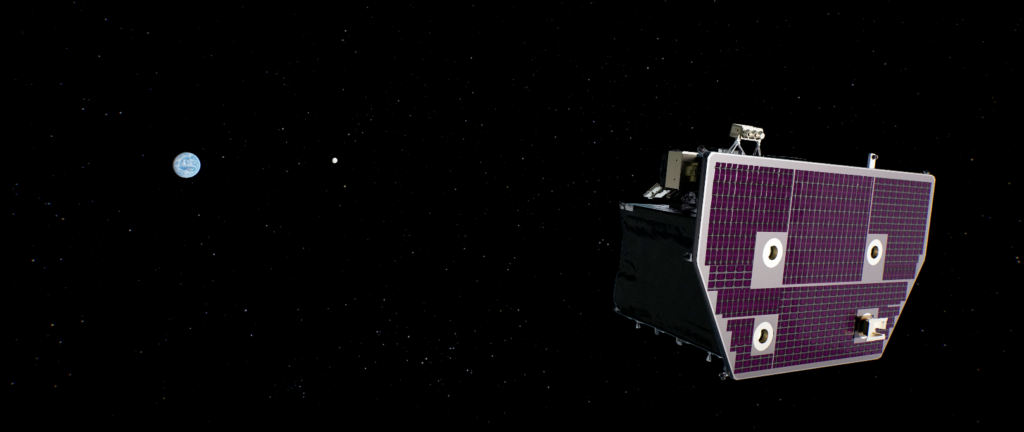
In an era where space exploration often takes center stage, NASA’s Carruthers Observatory is painting a mesmerizing picture of Earth’s outermost atmosphere layer. On March 1, 2026, this scientific marvel embarked on a two-year journey to capture the ethereal glow of the hydrogen-rich exosphere, known as the “geocorona,” using ultraviolet light from its perch a million miles away at the Sun–Earth L1 point.
A Million-Mile-High View of Earth’s Atmosphere
Launched in September 2025, the Carruthers Observatory has reached a stable halo orbit around the Sun-Earth L1 point since January 2026. From this vantage point, it utilizes two specialized ultraviolet cameras to capture stunning images of the hydrogen geocorona. This imaging allows scientists to observe the dynamic reactions of Earth’s upper atmosphere to solar phenomena such as solar storms and fast-moving solar winds, offering a glimpse into how these events influence our planet’s atmospheric behavior.
Mapping the Mission’s Vision and Team
The Carruthers Observatory is the brainchild of a collaboration led by the University of Illinois Urbana-Champaign, with BAE Systems spearheading its construction. Named in honor of George Carruthers, a pioneer of space technology from the Apollo era, this mission promises to unravel the mysteries of Earth’s exosphere. Supporting the NASA-led initiative are the University of California at Berkeley and Utah State University, contributing to payload development, while NASA’s Goddard Space Flight Center manages the mission.
Implications for Space Science and Earth’s Future
The Carruthers mission is not just about stunning imagery; it’s about broadening our understanding of Earth’s atmospheric dynamics and how they interact with solar activities. By investigating the hydrogen halo’s size and behavior, researchers aim to learn more about the atmospheric loss of water into space—a phenomenon shared by both Earth and Mars. This knowledge could be pivotal in comprehending the long-term changes our planet may face due to solar influences and assist in safeguarding our atmospheric integrity.
As the Carruthers Observatory continues its mission, it serves as a testament to human curiosity and ingenuity in uncovering the secrets of our cosmic neighborhood. The data collected will not only enrich our scientific knowledge but also inspire future explorations of the universe.