U.S. Government Agencies Turn Away from Anthropic, Embrace OpenAI
In a dramatic turn of events in Washington, the winds of change are sweeping through the corridors of power, with several key U.S. government agencies opting to sever ties with Anthropic’s AI services. The State Department, Treasury, and Health and Human Services (HHS) are the latest to join the list of entities redirecting their technological allegiance towards OpenAI, following a directive from President Donald Trump. This maneuver marks a considerable shift in the administration’s AI strategy, one that could reverberate throughout the tech industry.
The decision to abandon Anthropic, known for its advanced chatbot platform Claude, isn’t just a matter of changing partners. It’s a sweeping rebuke that underscores the administration’s concerns over national security, likening the company’s AI products to potential supply-chain risks. Treasury Secretary Scott Bessent and other agency heads have made it clear that this isn’t just a policy adjustment—it’s a strategic pivot.
HHS has already notified its workforce, urging the adoption of alternative AI platforms like ChatGPT and Gemini. Meanwhile, the State Department’s internal memo reveals plans to transition its StateChat system to harness OpenAI’s GPT4.1 capabilities, reflecting a broader compliance with the President’s directive. This is no small feat, considering Anthropic’s deep ties with tech giants like Google’s Alphabet and Amazon, both significant players in Silicon Valley’s vibrant AI scene.
The roots of this shift can be traced back to a tense standoff with the Pentagon over AI deployment and ethical guardrails. The Trump administration has been vocal about its stance against using Anthropic’s AI for autonomous weaponry or domestic surveillance, a point of contention that eventually culminated in the current boycott. This policy shift also aligns with recent actions by the Federal Housing Finance Agency and its affiliates, Fannie Mae and Freddie Mac, who have also opted to disengage.
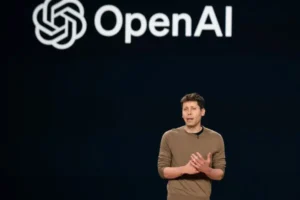
OpenAI, backed by heavyweight investors including Microsoft and Amazon, capitalized on this opportunity by securing a new deal with the Defense Department. Their CEO, Sam Altman, has assured that their AI will not be used for domestic surveillance, a promise that likely sweetened the pot for the U.S. government.
For fans and industry watchers, this shift signals more than just a change in technology vendors; it’s a reflection of the broader ethical and strategic considerations shaping AI development today. The implications for Anthropic could be profound, potentially redefining its role in the global AI landscape.
As the dust settles, the real winners and losers of this AI reshuffle will emerge. But one thing is certain—technology, ethics, and governance are more intertwined than ever. Stay tuned as we watch these new alliances unfold in the ever-evolving narrative of artificial intelligence.