A sudden tech failure in China’s growing self-driving ecosystem has sparked fresh concerns after more than 100 robotaxis reportedly stopped working mid-journey in Wuhan—leaving passengers stuck, and in some cases, stranded in active traffic lanes.
What Happened on the Roads
According to local police, the incident was triggered by a “system malfunction” that caused a mass shutdown of robotaxis operating across the city. Reports started coming in around 9 p.m., with multiple vehicles halting unexpectedly—some even in the middle of fast-moving roads.
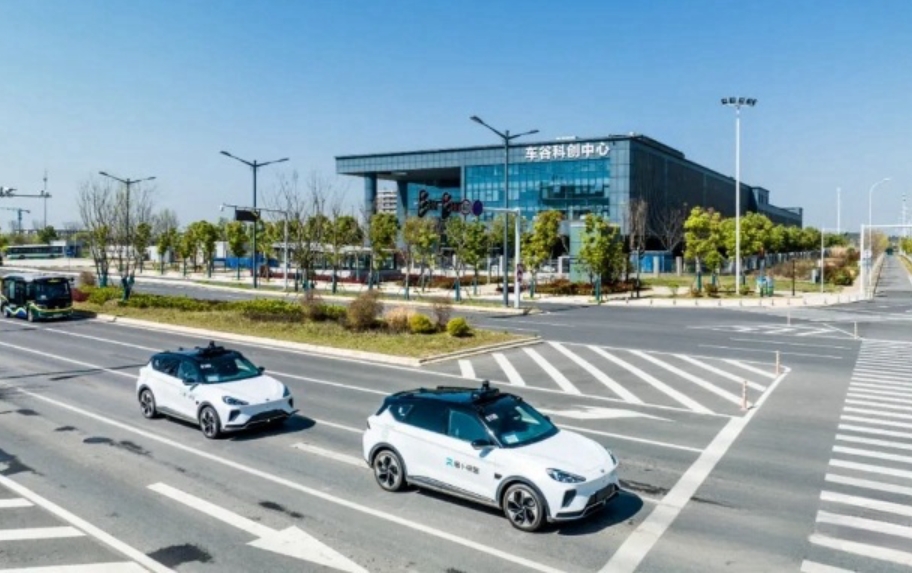
The taxis are part of Baidu’s Apollo Go service, one of the largest autonomous ride-hailing networks currently running in China.
Fortunately, no injuries were reported. But the situation itself raised serious questions.
Passengers Left Waiting—and Deciding on Their Own
One passenger described how their vehicle suddenly stopped after taking a turn. The in-car screen displayed a message saying the driving system had malfunctioned and that staff would arrive within five minutes.
That didn’t happen.
After waiting and pressing the SOS button, the passenger was again told help was on the way—but eventually chose to exit the vehicle independently when no assistance arrived.
Others weren’t as lucky.
Some robotaxis reportedly stopped in the middle lane of elevated ring roads—high-speed corridors with no traffic signals. In those cases, passengers hesitated to step out due to safety risks, as vehicles were passing rapidly on both sides.
A First for China’s Robotaxi Network
While isolated issues with autonomous vehicles have been reported globally, this marks the first known large-scale shutdown of robotaxis in China.
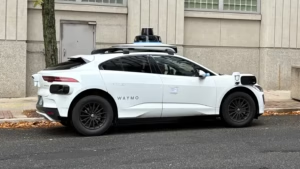
A somewhat similar situation occurred in the U.S. last year when Waymo vehicles in San Francisco stalled due to a power outage—but the Wuhan incident stands out because of the number of vehicles involved and the traffic conditions.
Bigger Questions for a Growing Industry
Baidu currently operates over 1,000 robotaxis, with Wuhan being one of its largest pilot cities. The company has also been expanding globally, launching services in Abu Dhabi and Dubai and exploring markets in Europe.
But incidents like this highlight a critical challenge.
Autonomous tech is advancing fast—but public trust depends on reliability in real-world conditions, not just controlled environments. A system-wide failure, especially in live traffic, is exactly the kind of scenario that makes regulators and users pause.
The Takeaway
No injuries, no crashes—but still, a warning sign.
The Wuhan glitch shows that while robotaxis are becoming more common, the technology still has moments where it falls short under pressure. And when it does, the stakes aren’t just technical—they’re human.
For companies like Baidu, the next phase isn’t just expansion. It’s proving that these systems can handle the unexpected—without leaving passengers stuck in the middle of the road.