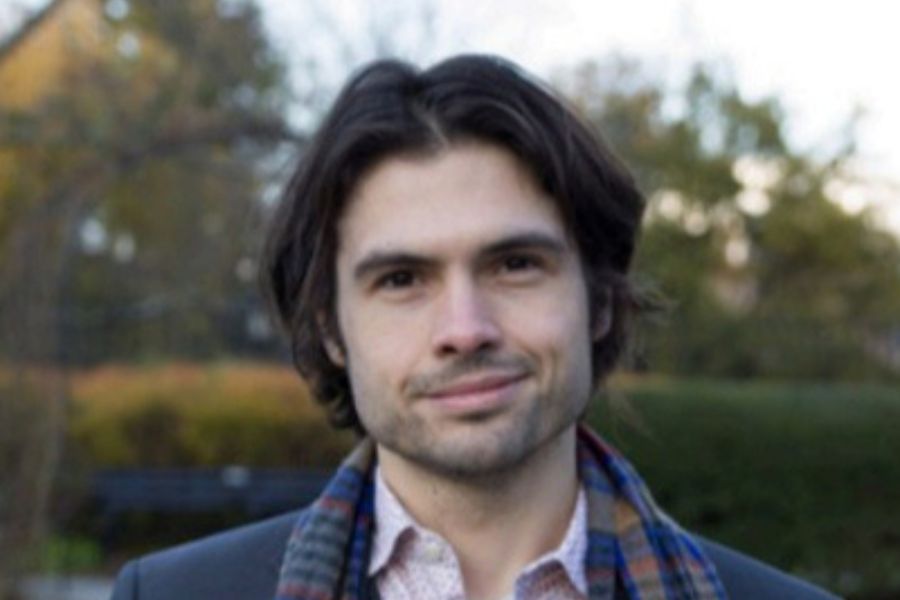
In a move that says a lot about where artificial intelligence is headed, Google DeepMind has brought on a rather unexpected recruit — not an engineer, not a coder, but a philosopher.
Yes, you read that right.
A different kind of hire for a different kind of future
The AI lab has hired Henry Shevlin in an official “philosopher” role — and it’s not just a fancy title. His work will focus on some of the most complex questions in AI today: machine consciousness, how humans relate to AI, and whether the world is ready for AGI (artificial general intelligence).
In simple terms, he’s there to think about the stuff code alone can’t solve.
Shevlin himself confirmed the news, calling it a “rare privilege” to work on ideas he’s spent years studying — now backed by the scale and urgency of one of the world’s top AI labs.
Still rooted in academia
Even as he steps into DeepMind, Shevlin isn’t leaving academia behind.
He’ll continue working part-time at the University of Cambridge, where he’s currently Associate Director at the Leverhulme Centre for the Future of Intelligence — a hub known for exploring long-term AI risks and ethics.
That dual role says a lot. This isn’t just corporate hiring — it’s a bridge between academic thinking and real-world AI development.
Why a philosopher matters in AI right now
On paper, hiring a philosopher might sound unusual for a tech company.
But the reality is shifting.
As AI systems get more advanced, the biggest challenges aren’t just technical — they’re ethical, social, and even existential. Questions like:
- Can machines be conscious?
- How should humans emotionally interact with AI?
- What happens if AI becomes truly autonomous?
These aren’t engineering problems alone. They need deeper frameworks — and that’s exactly where philosophy comes in.
Not the first move like this
DeepMind isn’t alone here.
Companies are slowly realizing that building powerful AI without understanding its impact is risky. Last year, Anthropic brought in philosopher Amanda Askell to work on alignment and safety — another sign that the industry is widening its lens.
Who is Henry Shevlin beyond the title?
Shevlin’s background blends philosophy with science.
He’s worked across cognitive science, AI ethics, and consciousness studies, with research published in respected journals. His academic journey started at the University of Oxford, followed by a PhD in the U.S., before settling in Cambridge.
But he’s not just a traditional academic. By his own admission, he spends a lot of time engaging with AI discussions online — something that likely keeps his thinking grounded in real-world debates rather than just theory.
The bigger picture
This hire isn’t just about one role — it reflects a shift in how AI companies are thinking.
For years, the focus was on building smarter systems. Now, it’s about understanding what those systems mean for humans.
And that’s a much harder question.
By bringing in someone like Henry Shevlin, Google DeepMind is signaling that the future of AI won’t just be written in code — it’ll also be shaped by how we choose to think about it.