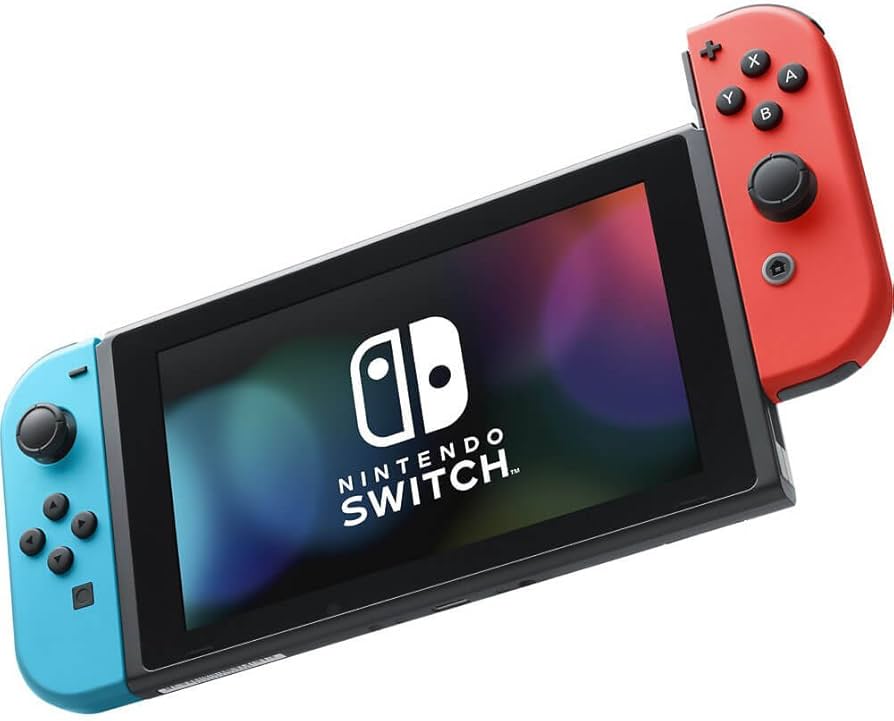
Nintendo is officially increasing the price of the Nintendo Switch 2 in the United States, and the move is already sparking concern among gamers and industry analysts. The company confirmed in its latest earnings report that the console will now cost $500 in the US, marking a $50 jump from its earlier pricing. Nintendo says the decision comes as memory component costs continue rising globally alongside ongoing US tariff pressures.
While a $50 increase may not sound shocking in today’s gaming market, the timing is important. Nintendo traditionally attracts a much younger and more price-sensitive audience compared to competitors like Sony and Microsoft. That means even a smaller price hike can potentially impact sales momentum, especially among families and casual players who see Nintendo consoles as the more affordable option in gaming.
The comparison with Sony’s PlayStation 5 is already being discussed heavily online. Sony reportedly raised PS5 prices by roughly $150 over the last year in several markets, making Nintendo’s increase appear less aggressive by comparison. Still, analysts believe Nintendo may feel the backlash differently because its audience behaves very differently from the hardcore console market attached to PlayStation or Xbox ecosystems.
Despite the higher pricing, the Switch 2 has continued posting extremely strong launch numbers. Nintendo revealed that it shipped 2.49 million consoles during the latest quarter alone. That pushes total Switch 2 shipments to nearly 19.86 million units within just three quarters of the company’s last fiscal year, which is honestly a huge achievement for a next-generation console launch.
But even with that momentum, Nintendo’s latest forecast surprised investors. The company is predicting sales of 16.5 million Switch 2 units for the upcoming fiscal year, which is noticeably below what many market analysts expected. Several industry trackers had projected that Nintendo could comfortably cross 20 million units next year considering how quickly the console gained traction after release.
Nintendo, however, appears to be taking a more cautious route publicly. The company said it still considers the 16.5 million projection a “solid level of adoption” for the console’s second year. Some observers believe Nintendo may intentionally be lowering expectations after previously underestimating demand during earlier forecasts. The company has a history of conservative projections before later revising numbers upward once momentum becomes clearer.
Software sales were another major bright spot inside the earnings report. Combined sales across both the original Switch and Switch 2 platforms reached 185.62 million software units this fiscal year, up significantly from the 155.41 million units sold during FY2025. That jump suggests Nintendo’s ecosystem remains extremely active despite hardware transition periods, something console makers often struggle with.
Among the biggest performers was Mario Kart World, which reportedly moved 14.7 million units. Donkey Kong Bananza followed with 4.5 million units sold, while Pokémon Legends: Z-A delivered an impressive 8.5 million units. Nintendo’s first-party software lineup continues proving why the company survives console generations differently than competitors — its franchises still sell at blockbuster levels almost automatically.
Outside gaming hardware, Nintendo also highlighted the huge box office performance of the The Super Mario Galaxy Movie. According to the company, the film has already crossed more than $800 million globally within just four weeks of release. That success further strengthens Nintendo’s growing push into movies, theme parks, and cross-media entertainment beyond traditional gaming.
Financially, Nintendo had a massive year overall. The company’s fiscal 2026 revenue reportedly jumped by 98.6 percent year-over-year, reaching 2.3 trillion yen, roughly $14.7 billion. Last year, revenue stood at 1.16 trillion yen. Even though Nintendo expects revenue to decline slightly next year, the company still forecasts operating profit growth due to stronger software performance and ecosystem spending.
At the same time, Nintendo admitted rising production costs are becoming difficult to ignore. The earnings report specifically mentioned around 100 billion yen in additional expenses tied to memory prices and tariff-related measures. That pressure is now clearly starting to impact consumers directly through hardware pricing.
For many fans, the biggest question now is whether Nintendo’s family-focused audience will continue buying the Switch 2 at premium pricing or begin waiting for discounts and bundles. The console still has enormous brand strength, but the gaming industry is entering a phase where even loyal players are becoming more cautious with spending.