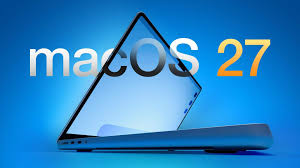
Apple may not be giving up on its controversial “Liquid Glass” design language anytime soon — but it definitely sounds like the company knows things didn’t go exactly as planned. According to new reports, Apple is now preparing a noticeably refined version of the interface for macOS 27 after many users complained about readability problems, distracting transparency effects, and visual clutter across the current Mac experience.
When Apple first introduced Liquid Glass alongside iOS 27 and related software updates, the company positioned it as a sleek modern redesign built around translucent layers, glossy textures, and glass-inspired visual depth. Some users loved the futuristic aesthetic immediately, while others reacted far less positively and started comparing parts of the interface to older Windows Vista-era design experiments that prioritized style over usability.
Now, according to Bloomberg’s Mark Gurman, Apple internally sees macOS 27 as a “slight redesign” focused less on reinventing the system again and more on fixing what didn’t work properly the first time. The company reportedly believes the current implementation of Liquid Glass feels unfinished rather than fundamentally broken, meaning Apple’s goal is refinement — not abandonment.
And honestly, that probably explains why the company hasn’t publicly backed away from the visual direction despite criticism online. Apple tends to treat major design shifts as long-term ecosystem strategies rather than temporary experiments. Once the company commits to a visual identity, it usually prefers adjusting and polishing it gradually instead of admitting the concept itself failed.
One major problem Apple reportedly wants to address is readability. Users have complained that certain interface areas — especially Control Centre, Finder windows, sidebars, and layered menus — can become visually messy because transparency effects make text harder to distinguish from background content. On some displays, the interface apparently feels stylish at first glance but exhausting during extended daily use.
The issue seems especially noticeable on Macs because many Apple computers still rely heavily on LCD panels rather than OLED technology. According to the report, OLED displays handle transparency, shadows, and layered lighting effects much better than traditional LCD screens. That means Liquid Glass reportedly looks cleaner and more convincing on newer devices like OLED iPhones, Apple Watches, and OLED-equipped iPads compared to many Macs currently on the market.
That hardware limitation may actually explain why reactions to the design language felt inconsistent across Apple’s ecosystem. On smaller OLED screens, the glossy translucent look can appear smooth and futuristic. But on larger desktop displays packed with overlapping windows, sidebars, lists, and productivity tools, the same effects can sometimes turn into visual noise rather than elegance.
Apple is reportedly planning adjustments to transparency behaviour, shadows, layered textures, and UI contrast levels in order to make the interface feel easier to read without completely abandoning the Liquid Glass aesthetic. In other words, the company seems to be trying to keep the “premium glass” visual identity while toning down the parts making macOS harder to use practically.
The redesign effort is also said to be part of a much broader software cleanup happening internally across Apple’s operating systems this year. Beyond visuals alone, Apple reportedly wants the next generation of software updates to improve stability, battery life, responsiveness, and overall performance after some users complained recent updates prioritized flashy features over refinement.
At the same time, Apple’s second major focus for 2026 reportedly revolves around artificial intelligence. The company is expected to continue expanding its Apple Intelligence initiative with more advanced AI integrations across iPhone, iPad, and Mac devices. Reports suggest Apple is developing a more conversational and chatbot-like version of Siri alongside deeper system-wide AI functionality.
That’s particularly important because Apple is under growing pressure in the AI race while competitors like OpenAI, Google, and Microsoft aggressively push AI features into their ecosystems. Apple has traditionally moved slower than rivals when adopting major technological shifts, preferring polished integration over rapid experimentation, but expectations around AI are now forcing the company to accelerate development more visibly.
What’s interesting is that Apple’s current software strategy seems split between two very different goals happening simultaneously. On one side, the company wants highly futuristic interfaces driven by glass textures, depth effects, and AI integration. On the other side, users are increasingly asking for something much simpler: clean readability, stability, better battery life, and software that stays out of the way.
And honestly, that tension probably defines modern Apple more than anything else right now. The company is trying to make its operating systems feel futuristic enough to compete with the AI-driven future of tech while also preserving the usability and simplicity that originally made Apple products so popular in the first place.