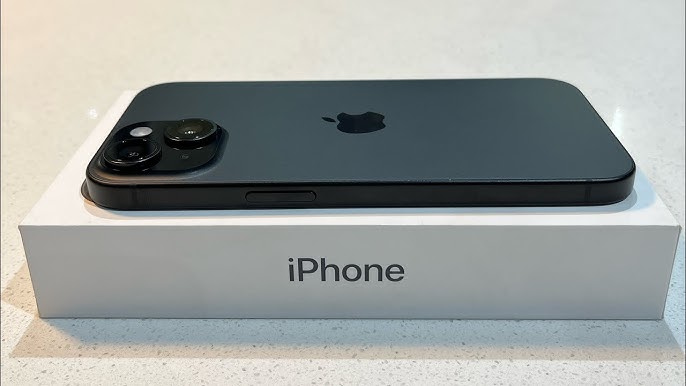
Apple’s long-rumored foldable iPhone could become one of the hardest smartphones to buy when it finally arrives. A new industry report suggests the company may struggle to meet early demand because manufacturing its first folding iPhone will be significantly more complex than building traditional models. If the report proves accurate, buyers hoping to get the device at launch may have to act quickly or face long waiting periods.
The device, widely referred to by industry watchers as the iPhone Ultra or iPhone Fold, has not been officially announced by Apple. Even so, fresh supply chain estimates indicate that consumer demand could easily outpace initial production during the first few months after launch, despite an expected premium price.
Apple May Produce Fewer Than One Million Units at Launch
According to Apple supply chain analyst Ming-Chi Kuo, Apple is expected to begin shipping its foldable iPhone toward the end of the third quarter of 2026. However, production is reportedly expected to remain limited during the early rollout, with only around 500,000 to one million units becoming available shortly after launch. The analyst believes Apple’s manufacturing partners will need additional time to refine production before output increases later in the year.
Kuo expects production capacity to improve steadily after the initial launch period. By the end of 2026, Apple could reportedly ship between seven and eight million foldable iPhones worldwide as manufacturing becomes more efficient. The gradual increase is said to reflect the technical challenges involved in building Apple’s first folding smartphone rather than weak consumer demand.
The report compares the situation to the launch of the iPhone X in 2017. That device also experienced supply constraints during its early release because Apple introduced several major hardware changes at once, including an OLED edge-to-edge display, the display notch, and the first-generation Face ID system. Similar manufacturing hurdles are reportedly expected with Apple’s foldable display technology.
High Price May Not Slow Consumer Demand
Despite rumors suggesting a starting price of as much as $2,500, industry expectations remain surprisingly optimistic. Based on discussions with mobile carriers, retail partners, and distribution channels, Kuo believes demand for Apple’s foldable smartphone will remain extremely strong throughout its launch period. He predicts that pre-orders could sell out almost immediately, while delivery estimates may stretch to six weeks or even longer through the end of 2026.
Limited supply may also create a temporary resale market similar to previous high-profile Apple launches. According to the report, the combination of restricted availability, Apple’s brand recognition, and the novelty of its first foldable device could allow some early buyers to resell units at prices above retail during the first few months after release.
Although the report has attracted significant attention, it is important to note that Apple has not officially confirmed the existence of a foldable iPhone. The company has remained silent about its future hardware roadmap, meaning all specifications and launch plans should still be treated as industry expectations rather than confirmed details.
Rumored Features Hint at Apple’s Biggest iPhone Redesign in Years
Even without an official announcement, recent software developments have fueled speculation that Apple is preparing support for foldable hardware. Developers examining the iOS 27 beta reportedly discovered references to features such as “foldState”, “angleDegrees”, and variables designed to detect multiple built-in displays. While these code references do not directly confirm a new device, they suggest Apple is actively working on software capable of supporting folding hardware.
Current industry reports indicate the foldable iPhone could feature a 5.5-inch outer display paired with a 7.8-inch flexible inner screen. When unfolded, the internal display would approach the size of a compact tablet while remaining slightly smaller than the iPad mini. Analysts also expect Apple to adopt a wider folding design compared with Samsung’s Galaxy Z Fold series, potentially making the device feel more like a traditional smartphone when closed.
Another area attracting attention is Apple’s reported focus on display durability. Supply chain reports suggest the company is developing a flexible OLED panel supported by a laser-drilled metal reinforcement layer designed to distribute stress more evenly across the folding mechanism. That engineering approach could significantly reduce the visible crease that remains one of the biggest criticisms of today’s foldable smartphones.
If Apple enters the foldable smartphone market in 2026, it would mark one of the company’s most significant hardware launches since introducing the iPhone X. While many questions remain unanswered until Apple makes an official announcement, early reports indicate the company is aiming to combine premium design, advanced display technology, and the familiar iPhone experience into a completely new category. Whether Apple can produce enough units to satisfy demand may become one of the biggest stories surrounding the device’s launch.