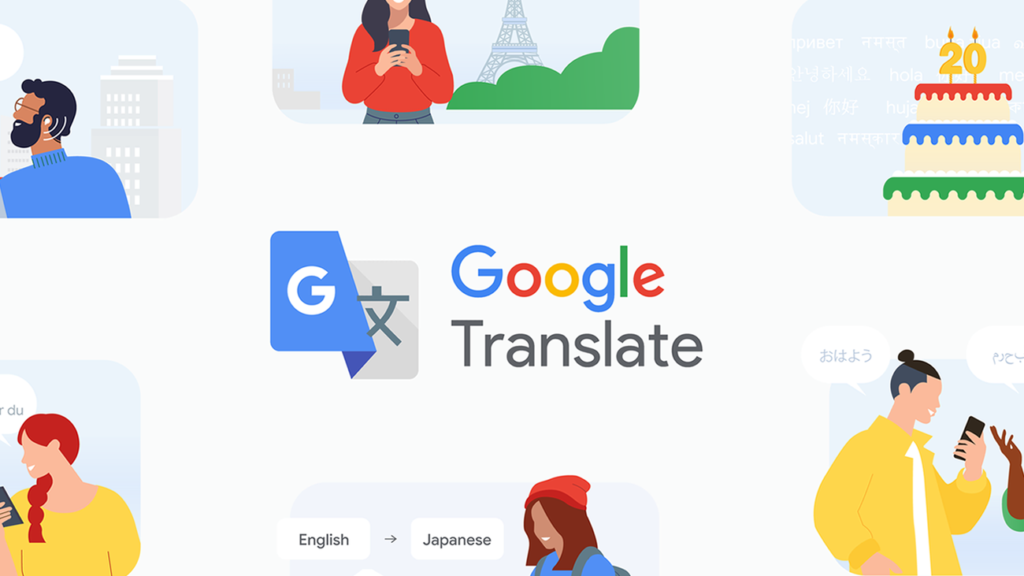
It’s a big milestone moment for Google Translate, and instead of just celebrating quietly, Google has decided to roll out something actually useful for everyday users. On its 20th anniversary, the platform has introduced a new feature called Pronunciation Practice, aimed at helping people not just translate languages but actually speak them better. The tool is already live for Android users in India and the US, and it shows how the app is slowly moving beyond basic translation into more real-world communication support.
The new feature is designed to make language learning feel a bit more interactive, rather than just reading or listening to translations. Users can now tap into options like “Ask” and “Understand” to practice how words and phrases should sound. The system uses AI to analyze your speech and instantly point out where you’re getting things right or wrong. It’s not exactly a full language course, but it does feel like a step closer to having a personal pronunciation coach inside your phone.
At the moment, the feature supports three languages — English, Hindi, and Spanish — which makes sense given how widely these are used globally. But what stands out is how Google is testing this in markets like India, where multilingual communication is already a part of daily life. It suggests the company is focusing on practical use cases, where people might need quick help before speaking to someone in a different language rather than just translating text on a screen.
Speaking about the journey, Sundar Pichai highlighted how much the platform has evolved over the last two decades. What started back in 2006 as a simple tool using statistical models has now shifted to advanced AI systems like Gemini, which aim to understand context rather than just translate words. That shift is important, because translation today isn’t just about accuracy, it’s about sounding natural and being understood correctly.
Google also shared some interesting usage insights that show how deeply the app is embedded in everyday communication. The most translated phrase over the years has been “Thank You,” followed by common expressions like “How are you?” and “I love you.” These might seem basic, but they reflect how people are using the tool for real conversations, not just academic or formal needs. There’s also been a noticeable rise in translations involving things like emoji meanings, American Sign Language, and even Gen Alpha slang, which shows how language itself is evolving online.
Another trend that stands out is the growing use of Live Translate features, where conversations can go on for several minutes rather than quick one-line translations. In fact, a significant portion of these sessions now last over five minutes, often used in situations like job interviews, family conversations, or cross-cultural discussions. That kind of usage hints at how translation tools are slowly becoming part of real-time human interaction rather than just a support feature.
Looking at the bigger picture, this update feels less like a one-off feature and more like a signal of where things are heading. Google Translate is no longer just trying to help you understand another language, it’s trying to help you participate in it. And if features like Pronunciation Practice keep expanding to more languages, it could quietly turn into one of the most practical language-learning tools people use daily, without even thinking of it that way.