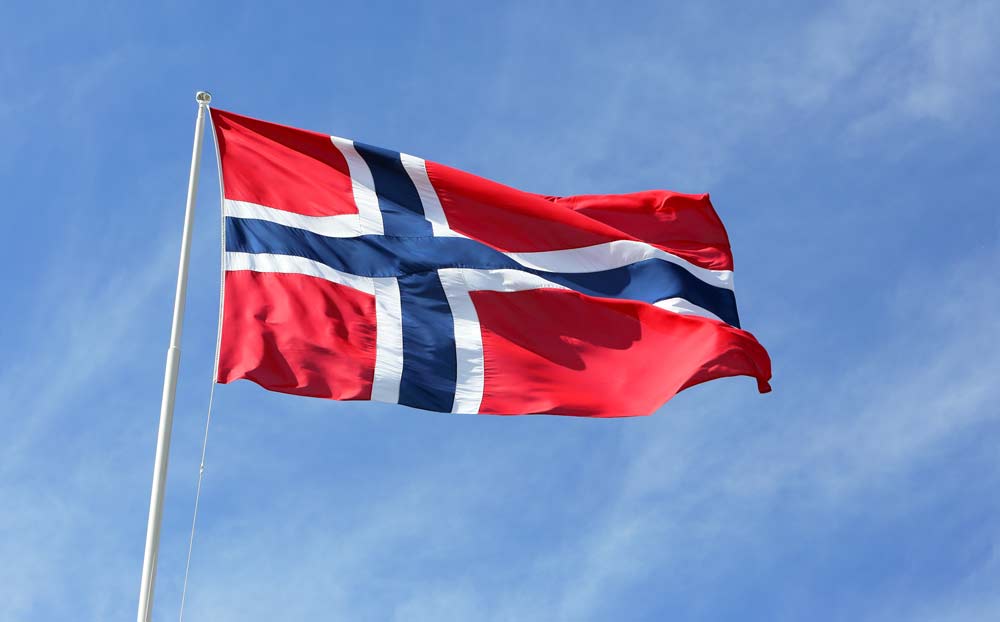
A major shift in how countries view kids and social media is quietly building in Europe, and now Norway is stepping right into the middle of it. The government has announced plans to introduce a law that would ban children under 16 from using social media platforms, with the bill expected to be presented in parliament by the end of 2026. It’s a bold move, but not entirely surprising given how fast concerns around digital exposure are growing.
Prime Minister Jonas Gahr Støre made it clear that this isn’t just about regulation — it’s about redefining what childhood should look like. According to him, kids should be spending time on real-world interactions like friendships and play, instead of being pulled into algorithm-driven platforms. That framing shows the intention here isn’t just safety, but also trying to rebalance how young people grow up in a digital-first world.
What makes this proposal stand out is where the responsibility will fall. Instead of putting the burden on parents or users, Norway plans to make tech companies themselves responsible for verifying ages. That’s a big ask, especially for platforms like Instagram, Facebook, TikTok, Snapchat, YouTube, and X, which would likely need to rethink how users sign up and access content. While Norway hasn’t officially listed specific platforms yet, examples from other countries suggest these major apps would be at the center of enforcement.
This move doesn’t exist in isolation. Australia recently became the first nation to implement a full ban on social media access for under-16s, and that decision has clearly influenced discussions across Europe. Governments are increasingly worried about issues like screen addiction, mental health, online safety, and the long-term impact of algorithm-driven content on younger users.
Still, the proposal raises practical questions. Age verification at scale is complicated, and enforcing such a ban without invading privacy or creating loopholes won’t be easy. Tech companies may push back, arguing that strict verification systems could introduce new risks or limit user access unfairly. On the other hand, regulators seem willing to test those boundaries if it means creating safer digital spaces.
For now, Norway’s plan is still in the legislative phase, so details will likely evolve before anything becomes law. But the direction is clear — governments are starting to take stronger control over how social media interacts with younger audiences. And if more countries follow this path, the way these platforms operate globally could start changing in ways we haven’t seen before.