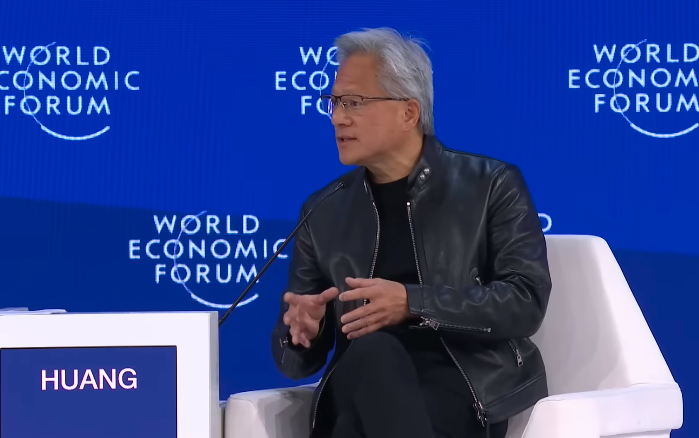
Nvidia CEO Jensen Huang is back in China at a sensitive moment for the U.S. chip giant. According to sources cited by Reuters, Huang arrived in Shanghai on Friday, even as Nvidia faces mounting pressure from Chinese regulators and intensifying competition from local semiconductor players.
The visit comes as Nvidia waits for a crucial decision from Beijing on whether it will be allowed to sell its powerful H200 artificial intelligence chip to Chinese customers.
A Routine Visit, But Tricky Timing
People familiar with the matter say Huang’s trip is part of Nvidia’s annual celebrations with its China-based employees, making the timing technically routine. However, the broader context has made the visit far more significant.
Huang is expected to attend an Nvidia employee event in Shanghai before travelling onward to Beijing, Shenzhen, and later Taiwan. Nvidia, which is headquartered in Santa Clara, declined to comment on the visit. Chinese outlet Tencent News first reported Huang’s presence in Shanghai.
This is not Huang’s first China visit amid geopolitical tension. He travelled to the country at least three times last year and met China’s commerce minister in July, underscoring Nvidia’s efforts to maintain dialogue with Beijing.
The H200 Chip at the Center of Tensions
At the heart of the issue is Nvidia’s H200 AI chip, the company’s second most powerful artificial intelligence processor. While Washington has already cleared Nvidia to sell the H200 to Chinese clients, approval from Beijing is still pending.
Earlier this month, sources told Reuters that Chinese authorities informed customs officials that the H200 chip was not permitted to enter China. It remains unclear whether this amounts to a formal ban or a temporary restriction while regulators deliberate.
The uncertainty has made the H200 one of the most sensitive flashpoints in ongoing U.S.–China tech tensions.
Strategic Calculations in Beijing
Despite strong demand from Chinese firms, analysts believe Beijing faces a strategic choice. China could block the H200 outright to support domestic chipmakers, impose selective restrictions, or use the issue as leverage in broader negotiations with Washington.
For Nvidia, the stakes are high. China remains a key market for AI computing, even as export controls and regulatory hurdles reshape how U.S. tech companies operate in the region.
Final Words
Jensen Huang’s China visit may be framed as a routine engagement with employees, but it unfolds against a backdrop of regulatory uncertainty and geopolitical pressure. With the fate of Nvidia’s H200 chip still undecided, the trip highlights just how closely business strategy and global politics are now intertwined in the AI race.
Whether Beijing ultimately opens the door to the H200 — or keeps it shut — could have far-reaching implications not just for Nvidia, but for the balance of power in the global semiconductor industry.