The global AI race is clearly not slowing down, and Samsung Electronics just dropped numbers that show exactly how intense things have become. The company reported a record-breaking quarterly operating profit, and most of that surge came from one place — chips. But while the headline numbers look massive, the bigger story hiding underneath is about supply pressure, rising demand, and a future that might get even tighter for the industry.
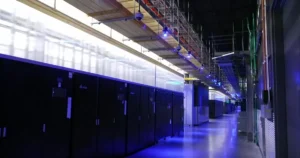
In the first quarter alone, Samsung posted an operating profit of 57.2 trillion won, and what’s striking is how much of that came from its semiconductor division. The chip business contributed around 53.7 trillion won, which is almost the entire profit chunk. That jump didn’t just happen gradually — it was driven by a staggering rise in chip income, fueled largely by AI infrastructure demand. With companies across the world building massive data centres, the appetite for advanced memory chips has exploded almost overnight.
What’s pushing this demand even harder is the involvement of major global tech players. Firms like Alphabet Inc., Amazon, and Microsoft are continuing to pour money into AI development, and that directly feeds into companies like Samsung that supply the core hardware. These aren’t short-term spikes either — the expectation is that AI spending will remain strong for years, which means chip demand isn’t going anywhere anytime soon.
But here’s where the situation becomes slightly complicated. Despite ramping up production, Samsung itself admitted that supply is still falling short of demand. And according to internal projections, this gap could actually widen by 2027 instead of stabilising. The reason is simple but tough to fix — building new chip factories takes time, massive investment, and long planning cycles. So even if companies want to produce more, they can’t scale instantly to match the current pace of AI growth.
Another key development is Samsung’s push into high-bandwidth memory, or HBM chips, which are crucial for AI accelerators. The company has already started selling its next-generation HBM4 chips for Nvidia’s upcoming Vera Rubin platform. This is a big move because Samsung has been trying to close the gap with rivals like SK Hynix in this space. If it manages to scale HBM production successfully, it could reshape its position in the AI supply chain quite significantly.
At the same time, not everything inside Samsung is running smoothly. The company is also facing internal pressure, with unions representing a large portion of its workforce considering strike action over pay issues. While Samsung has said it has systems in place to avoid disruption, even the possibility of a strike in such a critical division highlights how fragile the supply chain can be. A small disruption at this level could have ripple effects across the entire tech ecosystem.
There’s also an interesting contrast when you look at Samsung’s other businesses. While chips are booming, its mobile and display divisions are feeling the pressure of rising component costs. Smartphone profitability has already taken a hit, and display earnings have also declined. So while AI is lifting one side of the company to record highs, it’s simultaneously squeezing margins elsewhere.
All of this paints a pretty clear picture of where the industry is heading. AI is no longer just a trend — it’s now the driving force behind some of the biggest financial shifts in tech. Samsung’s results show just how powerful that wave is, but they also highlight the limits of current infrastructure. Demand is racing ahead, supply is struggling to keep up, and the gap between the two could define the next phase of the global chip market.