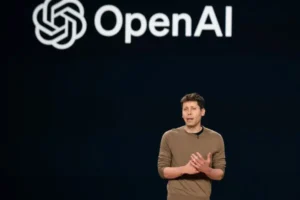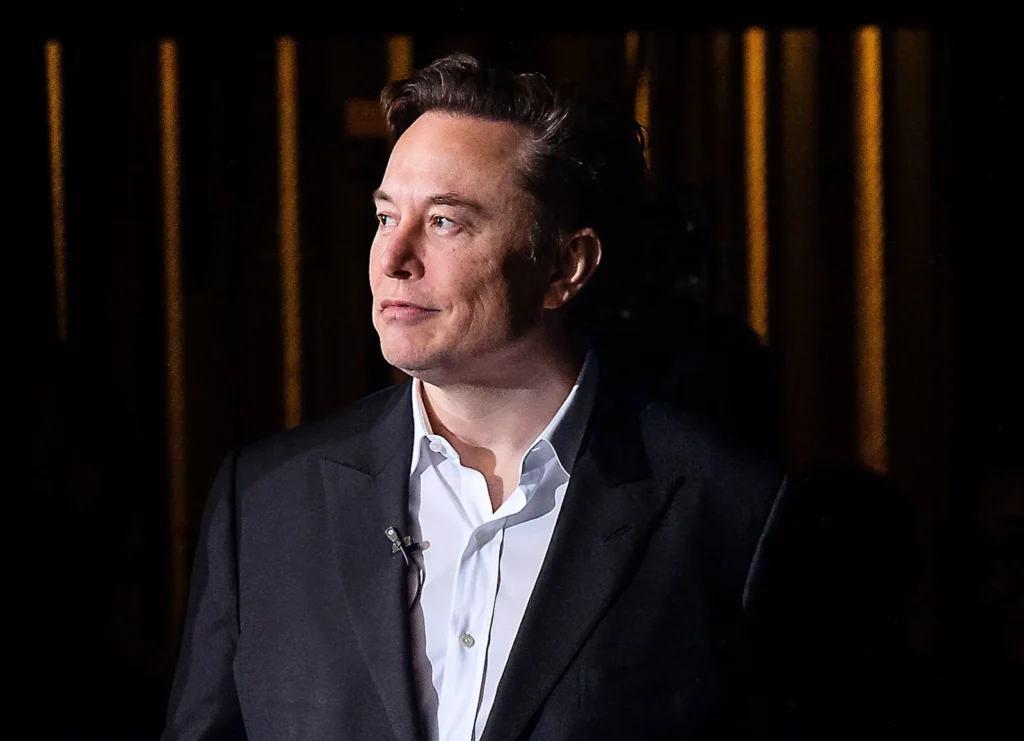
The legal tension between OpenAI and Elon Musk is now reaching a critical point — and it’s no longer just a courtroom fight. With the trial set to begin this month, OpenAI has taken a sharper stance, urging U.S. authorities to look deeper into what it calls “improper and anti-competitive behavior” by Musk and his associates.
In a formal move, OpenAI has written to the attorneys general of California and Delaware, asking them to consider investigating Musk’s role in the ongoing dispute. This comes just weeks before the case heads to trial, where a jury is expected to hear arguments from both sides.
At the center of this conflict is a deeper disagreement about OpenAI’s direction. Musk — who co-founded the organization in 2015 but exited in 2018 — has accused the company and CEO Sam Altman of straying from its original mission. His lawsuit claims that OpenAI’s shift toward a for-profit structure goes against its founding principles.
OpenAI, however, is pushing back hard.
According to the company, Musk’s legal action — which reportedly seeks damages exceeding $100 billion — could seriously damage its nonprofit foundation and disrupt its broader mission. In its communication to regulators, OpenAI warned that the lawsuit risks undermining efforts to develop artificial general intelligence (AGI) in a way that benefits humanity at large.
There’s also an interesting layer of corporate maneuvering in the background. OpenAI has previously alleged that Musk explored bringing Meta CEO Mark Zuckerberg into a consortium bid related to OpenAI, though that effort didn’t materialize. The claim hints at a larger competitive play unfolding behind the scenes.
The timing here matters. The AI industry is currently in an intense growth phase, with companies racing to build more powerful systems and infrastructure. Legal battles like this aren’t just about past disagreements — they could shape how future AI organizations are structured, funded, and regulated.
OpenAI’s chief strategy officer, Jason Kwon, has also questioned whether regulators had fully examined the company’s restructuring plans earlier, suggesting that Musk’s legal filings are now being used to challenge those decisions.
With the trial expected to begin in April, both sides appear firmly locked in. There’s no sign of a settlement, and the stakes — financially, legally, and strategically — are massive.
What started as a fallout between co-founders has now evolved into one of the most important legal battles in the AI space. And depending on how this plays out, it could influence not just OpenAI or Musk — but the direction of the entire industry.