The global smartphone race just saw a major shake-up — and it’s not business as usual anymore. In a rare shift, Apple has taken the top spot worldwide in Q1 2026, beating Samsung in a quarter where the overall market actually declined.
It’s a big moment for Apple — one that says as much about strategy as it does about timing.
A Weak Market, But a Strong Leader
According to Counterpoint Research, global smartphone shipments dropped 6% year-on-year in the first quarter. The reasons aren’t surprising — ongoing shortages of DRAM and NAND memory, combined with cautious consumer spending, slowed things down across regions.
But while most brands struggled to maintain momentum, Apple moved in the opposite direction.
The company secured a 21% global market share, growing around 5% compared to last year. And this isn’t just another quarterly win — it’s the first time Apple has ever led the market in a first quarter.
iPhone 17 Pushes Apple Ahead
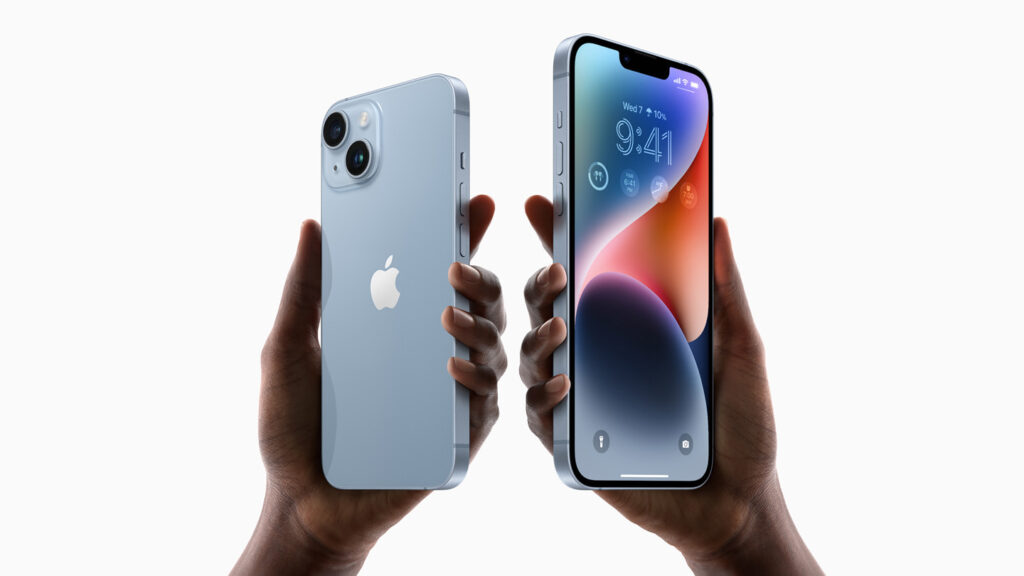
At the center of this surge is the iPhone 17 lineup.
Strong upgrade cycles, aggressive trade-in offers, and steady demand in Asia-Pacific markets — especially India — gave Apple the edge. The brand leaned into premium positioning, and it worked even in a slow market.
While others adjusted to falling demand, Apple captured the users who were still willing to spend.
Samsung Slips, But Not Out
Samsung wasn’t far behind, holding 20% market share. But unlike Apple, the company saw a 6% drop.
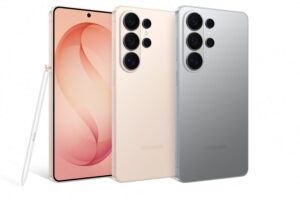
The delay in launching the Samsung Galaxy S26 Ultra and weaker performance in the mass-market segment hurt its numbers. That said, early response to the S26 series — especially the Ultra model — suggests Samsung could bounce back in the coming quarters.
Xiaomi Holds Ground, But Feels the Pressure
Xiaomi stayed in third place with a 12% share, but growth wasn’t easy.
The brand’s heavy focus on budget devices made it more vulnerable during the slowdown. Still, its premium push — led by the Xiaomi 17 series — is showing signs of strength, particularly in China.
Oppo, Vivo Stay Steady — New Players Rise
Oppo and Vivo rounded out the top five with 11% and 8% shares.
Oppo saw traction in entry-level models like the A-series, while foldables like the Find N lineup kept its premium image alive. Vivo, meanwhile, managed to grow in India despite broader global pressure.
Interestingly, smaller players are quietly gaining ground. Google and Nothing posted notable growth, signaling a shift where niche strategies are starting to pay off.
What This Means Going Forward
The bigger story here isn’t just Apple’s win — it’s the market itself.
With memory shortages expected to continue until at least 2027, brands are being forced to rethink their approach. Hardware alone isn’t enough anymore. Companies are now leaning into software ecosystems, services, and long-term user retention.
Apple’s Q1 win shows what happens when that strategy clicks at the right time.
But with Samsung’s next wave coming and competition tightening from China, this lead might not stay uncontested for long.