OpenAI has quietly hit a massive milestone in India, and it happened much faster than many people probably expected. According to CEO Sam Altman, Indian users have already generated more than one billion images using the company’s new image generation model inside ChatGPT. What makes the number even crazier is the timeline — the upgraded image model only launched publicly on April 21, meaning the feature crossed the billion-image mark in less than a month.
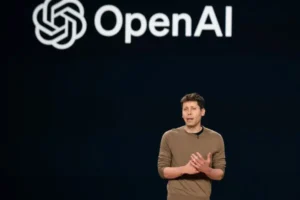
Altman acknowledged the achievement in a post on X, where he called the response from Indian users “awesome to see.” OpenAI later confirmed that India has become the platform’s highest-usage market globally for the feature since launch. That’s a pretty major moment for the company because it shows just how aggressively Indian users are adopting AI creative tools right now, especially image-generation features that blend entertainment, editing, and personalization together.
The latest image model, often referred to as ChatGPT Images 2.0, arrived as a major upgrade over OpenAI’s earlier generation systems. One of the biggest improvements users immediately noticed was the higher visual quality and better prompt understanding. Earlier AI image models sometimes struggled with detailed instructions or generated messy text inside images, but this newer version handles long prompts much more accurately and renders text with far fewer errors. That improvement alone made the feature feel significantly more usable for casual users, creators, and social media content makers.
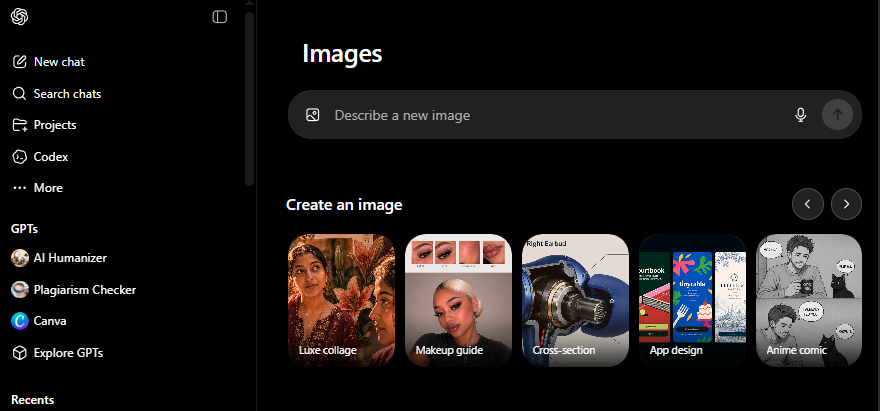
OpenAI also introduced several ready-made image trends directly inside the app, and many of those presets quickly went viral among Indian users. One of the biggest hits reportedly became the “Cinematic Portrait Collage” trend, where the AI creates layered studio-style portraits using warm lighting and Indian fashion aesthetics. Another heavily used feature was “Mini Me World,” which turns users into animated 3D-style characters placed inside realistic versions of their own surroundings.
Interestingly, Indian users didn’t just stick to fun selfies or social media experiments. Many people reportedly used the AI tool for practical image editing as well. Users explored features like lighting correction, restoration of old family photographs, fashion-style portraits, anime transformations, manga-inspired comic strips, travel collages, and even custom Chibi stickers. The versatility of the tool seems to be one of the biggest reasons behind the explosive adoption numbers.
What’s especially notable here is that the popularity appears comparable to the rise of Google’s Nano Banana image models, which also saw massive user engagement during their rollout. But unlike some competing AI image tools that exploded through viral memes and celebrity recreations online, ChatGPT’s image generator seems to have grown more steadily through everyday user creativity rather than one giant internet trend dominating timelines.
Another reason behind the success may be the model’s multilingual support. OpenAI confirmed that the system can handle prompts across languages including Hindi, Bengali, Chinese, Japanese, and Korean. For India especially, where users often switch naturally between multiple languages online, that flexibility likely helped make the feature feel more accessible compared to older AI systems that mostly prioritized English prompts.
The timing is also important because the AI image race has become one of the most competitive areas in tech right now. Companies across Silicon Valley are aggressively pushing generative AI tools that can create realistic photos, illustrations, videos, and design assets almost instantly. Platforms from OpenAI, Google, Midjourney, Adobe, and others are all competing to become the default creative assistant for internet users. In many ways, image generation has become one of the easiest ways for regular consumers to actually “see” the power of AI instead of just reading about it.
At the same time, the rapid rise of these tools continues sparking debate around originality, copyright, and the future of digital art. While millions of users enjoy experimenting with AI-generated visuals for fun, many artists and designers remain concerned about how these systems are trained and whether they could eventually disrupt creative industries long-term. OpenAI and other companies continue facing pressure to improve transparency around training data and artist protections as these tools become more mainstream.
Still, from a pure consumer adoption perspective, the numbers coming out of India are difficult to ignore. Generating over one billion images in just weeks shows how quickly AI-powered creativity is becoming part of daily internet culture. And if this growth continues at the same pace, India could end up becoming one of the most influential markets shaping how AI products evolve globally over the next few years.