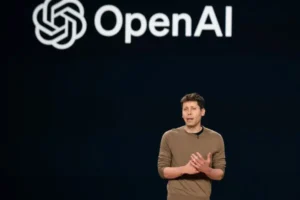
The AI world just saw one of its biggest partnerships quietly change direction. OpenAI and Microsoft have officially reworked their long-standing agreement, and the biggest headline is simple — exclusivity is no longer part of the deal. It’s not a breakup, but it’s definitely not the same relationship anymore either.
For years, Microsoft had a unique position as the primary cloud partner powering OpenAI’s products through Azure. That setup helped both sides grow fast, especially with the rise of AI tools across industries. But now, things are opening up. OpenAI is no longer tied to a single cloud provider, which means it can take its models and services to other platforms if it wants. That includes rivals like Amazon and Google, something that would have been unthinkable under the earlier agreement.
At the same time, Microsoft isn’t locked into hosting everything OpenAI builds anymore. It can now choose which features or systems it wants to support on Azure. That might sound like a small detail, but it actually gives Microsoft more control over costs, infrastructure, and long-term strategy. Instead of automatically backing every new development, it can now be selective.
One of the more complicated parts of the old agreement — the so-called AGI clause — has also been removed. Earlier, there were detailed conditions tied to what would happen if either company reached artificial general intelligence first. Those rules were layered, hypothetical, and honestly a bit confusing even for industry insiders. Now, that entire section is gone, making the partnership cleaner and easier to navigate moving forward.
Financially, the deal is also shifting in tone. Microsoft will still have access to OpenAI’s technology until 2032, but that access is no longer exclusive. On the flip side, OpenAI will continue sharing revenue with Microsoft until 2030, though this time there’s a cap — meaning the payments won’t stretch endlessly like before. It’s a more balanced setup where both sides get value, but neither is overly dependent on the other.
What’s interesting here is the timing. This change comes just months after OpenAI moved toward a for-profit structure, signaling that it wants to operate more like a traditional tech company. Opening up its cloud partnerships fits that direction perfectly. More partners means more distribution, more revenue streams, and less reliance on a single ecosystem.
For Microsoft, this isn’t necessarily a loss. It still remains a major shareholder in OpenAI and keeps early access to many of its tools. Plus, its Copilot ecosystem is already deeply integrated with OpenAI’s models, so the connection isn’t going away anytime soon. But now, it has the freedom to explore other AI strategies as well, without being tied down to one partner’s roadmap.
Zooming out, this shift says a lot about where the AI industry is heading. The early phase was all about tight partnerships and exclusive deals to gain an edge quickly. Now, it’s moving toward a more open and competitive landscape, where flexibility matters more than control. Companies want options, not restrictions.
That doesn’t mean OpenAI and Microsoft are drifting apart — they’re just redefining how they work together. And in a space that’s evolving this fast, that might actually be the smartest move they could make.
Because in AI right now, staying flexible isn’t just an advantage. It’s survival.