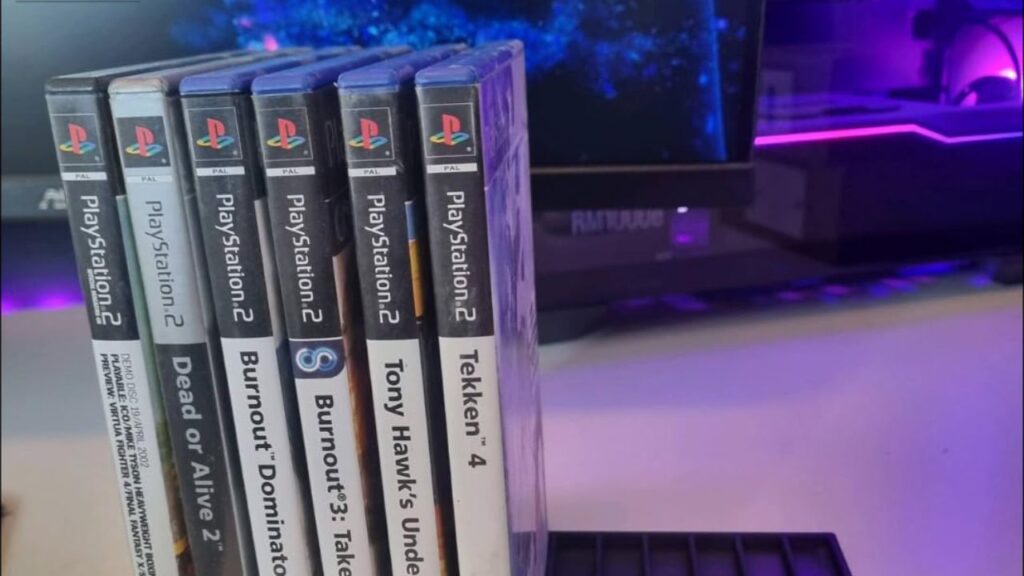
Sony has made it clear that it is not reversing its controversial decision to phase out physical game discs for new PlayStation releases. Despite widespread criticism from players, developers and game preservation advocates, the company says it will continue moving toward an all-digital future, arguing that the gaming industry is steadily shifting in that direction.
The announcement has become one of the most debated topics in the gaming community this month. While many PlayStation owners believe physical discs remain essential for ownership and game preservation, Sony maintains that the long-term future of entertainment lies in digital distribution.
Sony Defends Its Digital-Only Strategy
During its first-quarter FY2026 earnings call, Sony addressed the growing backlash surrounding its decision to stop producing discs for newly released PlayStation games beginning in January 2028. The company reported solid financial results for its Games & Network Services division, including a 37% year-over-year increase in operating income, but much of the discussion focused on the future of physical media.
Responding to questions from investors, Sony Chief Financial Officer Lin Tao explained the reasoning behind the decision. He said, “There are various reasons we made this decision, the biggest being that the digitalization of content overall has been progressing. That’s the big factor. It’s not just for PlayStation, but for all kinds of content, digitalization is progressing.”
He further added, “And so, when we think about the future — and we put in a lot of thought and time, and we cautiously considered this — and we came to this conclusion, and we’re going to cautiously move this forward.” His comments indicate that Sony sees the transition as part of a broader shift across the entertainment industry rather than a change limited to gaming.
Fans Continue to Push Back
Sony acknowledged that many PlayStation users strongly oppose the move. Since the announcement earlier this month, social media has been flooded with criticism from players who argue that physical discs provide true ownership, allow game preservation and make it easier to buy, sell or lend games.
Addressing those concerns, Tao said, “We have received various opinions and people have strong views, and we understand that the community has put forth those views to us.” He continued, “Games are loved by many people. It’s a form of entertainment that’s loved by people, and it’s connected to people’s fond memories in many cases. So, we understand those emotions. We want to consider that. And in the future digital ecosystem, how do we engage the gamers is something that we would like to continue to explore.”
Although Sony says it understands the emotional attachment many players have to physical media, the company did not indicate that it would reconsider its decision. As things stand, new PlayStation titles released after January 2028 are expected to be distributed digitally, while discs for previously released games will continue to be manufactured.
What This Means for PlayStation Players
Sony’s announcement has sparked organized resistance from parts of the gaming community. A Change.org petition titled “Don’t Kill the Disc” has already gathered more than 350,000 signatures, with supporters urging Sony to preserve physical releases for future generations of players.
Game preservation group DoesItPlay? has also organized a protest called PlayStation Blackout, encouraging users to avoid playing on PlayStation consoles between August 23 and August 30. Organizers say the campaign is intended to demonstrate how strongly some fans feel about preserving physical media and consumer ownership.
The debate reflects a larger trend affecting the entire video game industry. Microsoft, Nintendo and other publishers have steadily increased their focus on digital game sales, subscription services and cloud gaming over the past decade. Digital downloads offer companies lower manufacturing costs, instant global distribution and higher profit margins, but critics argue they also reduce consumer control, make long-term preservation more difficult and leave players dependent on online storefronts.
For now, Sony appears committed to its roadmap despite the backlash. Whether the company’s digital-first strategy ultimately becomes the new standard or prompts further resistance from players will likely shape the future of game ownership well beyond the PlayStation ecosystem.