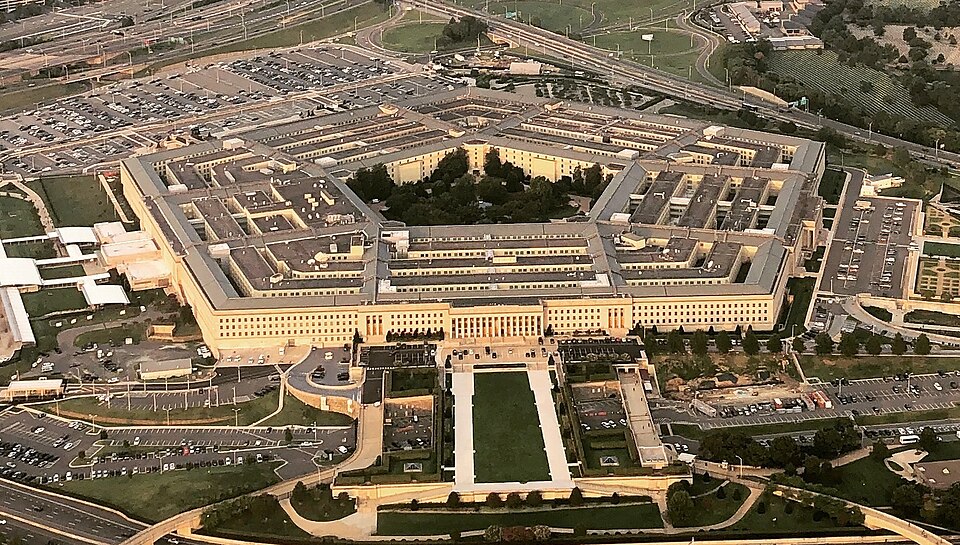
The U.S. military is making a major shift in how it works with artificial intelligence, and this time it’s clearly trying to spread its bets instead of relying too heavily on one player. The Pentagon has confirmed new agreements with seven AI companies to bring their tools into classified defense systems, but one name missing from the list is already raising eyebrows — Anthropic.
Instead, companies like OpenAI, Google, Microsoft, Amazon Web Services, NVIDIA, SpaceX and the lesser-known Reflection AI are now part of the Pentagon’s growing AI ecosystem. Many of these companies already had some level of involvement with defense systems, but this move expands their role into more sensitive environments, including secret and top-secret networks.
What’s interesting is not just who’s in — but why Anthropic is out. Earlier this year, the Pentagon labeled the company a “supply-chain risk,” effectively banning its tools across military systems and contractor networks. That decision didn’t come quietly either. It has reportedly led to internal pushback, with staff and contractors reluctant to drop Anthropic’s tools, which they still consider among the most capable currently available.
The bigger strategy here seems to be avoiding what’s called “vendor lock.” In simple terms, the Pentagon doesn’t want to depend too much on a single AI provider anymore. By onboarding multiple companies at once, it’s trying to build a more flexible system where tools can be swapped, compared, or combined depending on the situation. And given how fast AI is evolving, that kind of flexibility is becoming almost necessary.
Another big change is speed. Earlier, integrating AI tools into classified systems could take over a year — sometimes even longer. Now, newer companies are reportedly being onboarded in under three months. That’s a massive shift for a system that’s usually known for moving slowly, and it shows how urgently the military is trying to modernize its tech stack.
AI is already deeply embedded in defense operations. From logistics planning to targeting systems and large-scale coordination, these tools are helping the military process huge amounts of data faster than before. The Pentagon even revealed that its internal AI platform has already been used by over a million personnel in just a few months. That kind of scale explains why getting the right partners — and not relying on just one — has become such a priority.
Still, the Anthropic situation isn’t fully closed. Despite being labeled a risk, there are signals that things could change. U.S. leadership has hinted that the company might regain trust if concerns are addressed, leaving the door open for a possible return in the future. At the same time, concerns around advanced AI capabilities — especially those linked to cybersecurity and potential misuse — are clearly shaping how these decisions are being made.
What this entire move really shows is that AI is no longer just a tech industry race — it’s becoming a core part of national security strategy. And as governments start building these multi-vendor ecosystems, the balance between innovation, control, and risk is only going to get more complicated from here.