What started as a shared vision to build AI for humanity is now turning into one of the most intense tech battles in recent years. The legal clash between Elon Musk and OpenAI is no longer just about ideology — it’s now about control, money, and the future direction of artificial intelligence itself. And as new documents surface in court, the story is getting far more complicated than anyone expected.
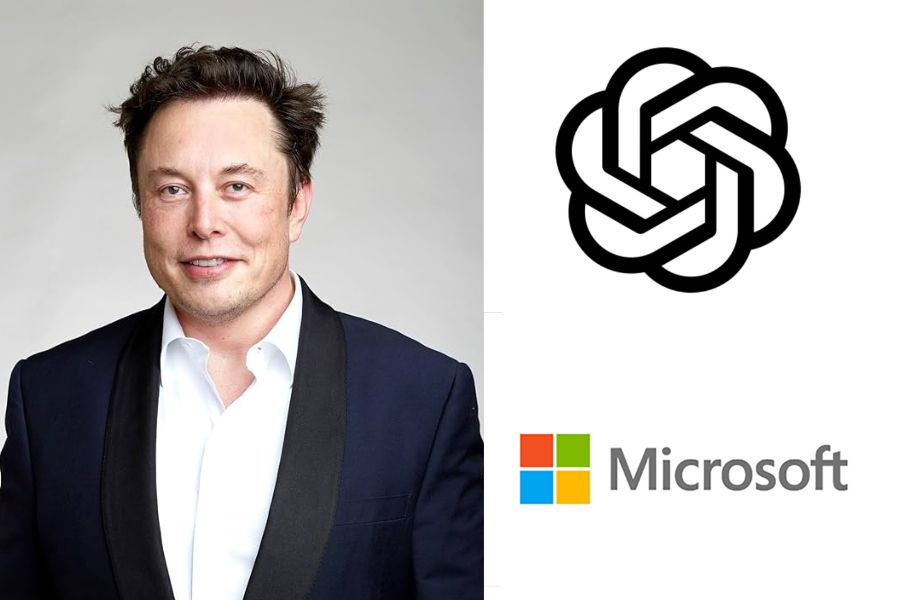
At the center of this case is a lawsuit Musk filed in 2024 against OpenAI, its CEO Sam Altman, president Greg Brockman, and tech giant Microsoft. Musk is seeking a staggering $150 billion in damages, claiming the organization abandoned its original nonprofit mission and turned into what he describes as a profit-driven machine. His argument is simple but serious — OpenAI was meant to benefit humanity, not evolve into a commercial powerhouse.
What’s adding fuel to the fire are internal documents now revealed in court, including personal notes and communications between the company’s early leadership. One particularly striking detail comes from a diary entry written by Brockman back in 2017, where he questioned Musk’s role and influence within the organization. These kinds of revelations are offering a rare look into the early tensions that existed even before OpenAI became a global AI leader.
The case is expected to unfold in a federal court in California, with major figures from the tech world likely to testify. Names like Musk, Altman, and even Satya Nadella are expected to appear, which shows just how high the stakes are. This isn’t just another corporate dispute — it’s a courtroom battle involving some of the most influential people shaping modern technology.
Musk’s claims go beyond money. He wants structural changes within OpenAI, including reverting it back to a nonprofit model and removing key leaders from their positions. On the other side, OpenAI and Microsoft are pushing back hard, arguing that Musk himself wanted more control over the company and is now acting out of competitive interest, especially after launching his own AI venture.
The timing of this trial couldn’t be more critical. OpenAI is reportedly preparing for a potential IPO that could value the company at around $1 trillion, while also facing rising competition in the AI space. At the same time, Musk’s ventures are under pressure to keep up in the rapidly evolving AI race. So this case isn’t happening in isolation — it’s directly tied to the larger battle for dominance in artificial intelligence.
Looking back, the origins of OpenAI tell a very different story. Founded in 2015 with a mission to create AI for the greater good, it was once described as a kind of “Manhattan Project for AI.” Musk played a key role in its early days, contributing funding and helping attract top researchers. But by 2018, disagreements over leadership and direction had already started to surface, eventually leading to his exit.
What followed was a major transformation. OpenAI shifted to a for-profit structure in 2019, allowing it to bring in large-scale investments while still maintaining ties to its nonprofit roots. More recently, it evolved again into a public benefit corporation, a move that further blurred the line between mission-driven and profit-driven goals.
This case now puts all of that under scrutiny. It raises bigger questions that go beyond just one company — how should AI be governed? Who gets to control it? And can a technology this powerful truly balance profit with public good?
As the trial begins, it’s clear that the outcome won’t just impact OpenAI or Musk. It could reshape how the entire industry thinks about responsibility, ownership, and the future of artificial intelligence.