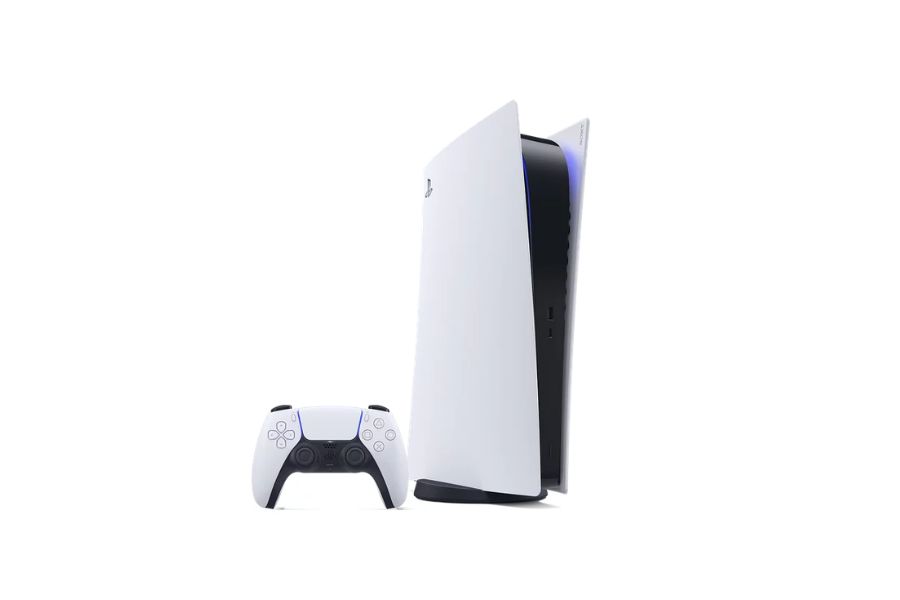
If you were planning to grab a PlayStation anytime soon, this update might slow you down a bit. Sony has officially rolled out another round of price hikes for its latest gaming hardware, and this time the impact is hitting Southeast Asia. The decision isn’t isolated either — it follows similar increases already seen across the US, UK, Europe, and Japan, making it clear this is part of a broader global strategy rather than a regional tweak.
Starting May 1, 2026, the revised pricing will apply to the entire current PlayStation lineup. That includes the PlayStation 5, the Digital Edition, the newer PlayStation 5 Pro, and even the PlayStation Portal. It’s not just a minor bump either — in several markets, the increase is noticeable enough to change buying decisions, especially for first-time buyers who were already on the fence.
Looking at specific regions, Singapore now sees the standard PS5 priced at SGD 849, while Malaysia pushes it close to MYR 2,799. Thailand, Indonesia, the Philippines, and Vietnam are all seeing similar upward adjustments, with prices translating to roughly ₹60,000–₹95,000 depending on the variant. The PS5 Pro, in particular, is hitting the higher end of that range, which positions it more as a premium upgrade rather than a casual purchase.
Sony has also revised the pricing of the PlayStation Portal, its remote gaming device, across multiple markets. While it’s not as expensive as the consoles themselves, the increase still adds to the overall ecosystem cost. And that’s the key thing here — it’s not just one product getting pricier, it’s the entire PlayStation experience becoming more expensive.
The company has pointed to global economic pressures as the primary reason behind the decision. Rising costs across manufacturing, logistics, and supply chains seem to be forcing adjustments that companies can no longer absorb internally. According to Sony, this move is necessary to maintain the quality of its hardware and services, even if it means passing some of that burden onto consumers.
What’s interesting is how this compares to previous console cycles. Traditionally, console prices tend to drop over time as production becomes more efficient. But this generation has been different — supply chain disruptions, inflation, and increasing hardware complexity have flipped that trend in many regions. Instead of getting cheaper, consoles are holding value or even becoming more expensive mid-cycle.
For gamers, this creates a bit of a dilemma. On one hand, the PlayStation ecosystem continues to offer strong exclusives and performance upgrades. On the other, the rising entry cost might push some players toward alternatives, whether that’s waiting for discounts, shifting to PC gaming, or exploring subscription-based options like cloud gaming.
At the end of the day, Sony’s move reflects a bigger shift happening across the tech industry. Hardware is no longer just about the device — it’s tied to long-term ecosystems, services, and ongoing costs. And with these latest price hikes, it’s clear that the cost of staying in that ecosystem is slowly climbing.