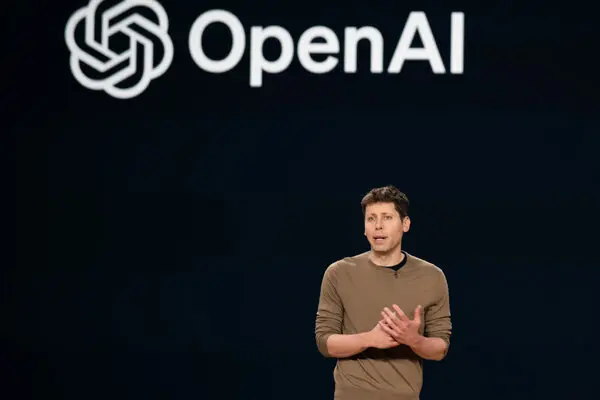
The battle over how artificial intelligence should be regulated in the United States has entered another complicated chapter. As AI systems become more powerful and influential, governments around the world are struggling to find the right balance between encouraging innovation and preventing potential risks. This week, that conversation intensified after OpenAI confirmed it would cooperate with a new federal review process tied to an executive order backed by President Donald Trump.
The announcement arrives at a time when lawmakers, technology companies, and policy experts remain deeply divided over how much oversight advanced AI models should face before reaching the public. While some argue stronger regulation is urgently needed, others fear excessive restrictions could slow innovation and weaken America’s position in the rapidly evolving AI race.
OpenAI Signals Support for Government Oversight
OpenAI has indicated that it is willing to allow government authorities to evaluate certain advanced AI systems before they are released publicly. The move follows a newly introduced executive order that encourages AI developers to participate in assessments designed to measure the capabilities and potential risks of frontier-level models.
Speaking about the issue, OpenAI’s head of countries, George Osborne, emphasized that democratic governments should play an important role in determining how powerful AI technologies are deployed. According to him, regulators need enough authority to oversee the technology while also maintaining flexibility as AI continues evolving at a rapid pace. That balance, he suggested, is essential because today’s rules may not be suitable for tomorrow’s breakthroughs.
The executive order focuses on creating a framework through which advanced AI models can be reviewed before wider deployment. One key objective is determining whether specific systems possess highly advanced cyber capabilities that could require additional safeguards. Models falling into certain risk categories could face restrictions regarding how they are distributed or made available.
Industry Pressure Reshaped the Original Proposal
Reports indicate the final version of the executive order looks significantly different from earlier drafts. Initial proposals reportedly included a much longer review period, with AI companies expected to submit models roughly three months before public release. Those discussions involved various stakeholders attempting to balance technological progress with public safety concerns.
However, several influential voices within the technology sector reportedly expressed concerns that overly aggressive oversight could create barriers to innovation. Critics of the original framework argued that lengthy review processes might slow development and place American AI companies at a disadvantage compared to competitors operating in other countries. Following those concerns, the final version was reportedly revised and shortened considerably.
The current framework reduces the review timeline to approximately 30 days and emphasizes voluntary participation rather than mandatory compliance. Supporters see the approach as a pragmatic middle ground that encourages cooperation without creating heavy regulatory burdens. Critics, however, argue that voluntary guidelines may not be enough to address the risks associated with increasingly powerful AI systems.
The debate reflects a larger struggle taking place across the technology industry. AI companies are investing billions of dollars into developing next-generation models, while governments attempt to establish rules for technologies that continue changing faster than traditional regulatory systems can adapt. As OpenAI joins the review process and other companies weigh their options, the conversation surrounding AI oversight is likely to remain one of the most important technology policy issues in the years ahead.