Electric trucks could soon spend less time plugged into chargers and more time on the road. Octopus Energy and CATL have announced an ambitious partnership aimed at bringing large-scale battery swap stations to Europe, a move that could reshape how commercial electric vehicles operate across the continent. The project focuses on heavy-duty trucking rather than passenger cars, targeting one of the biggest challenges facing the EV industry today: long charging times for freight transport.
The plan comes at a time when governments and manufacturers are pushing to reduce emissions from logistics and heavy industry. While electric passenger vehicles have gained significant momentum over the past few years, long-haul trucking remains a difficult segment to electrify. Large trucks need massive battery packs, longer charging sessions, and dependable infrastructure, all of which create obstacles for fleet operators. Octopus and CATL believe battery swapping could offer a practical way around those issues.
Swaptopus Wants to Change How Electric Trucks Refuel
The joint venture between the two companies will operate under the name Swaptopus. Instead of waiting for a truck battery to recharge, drivers would simply arrive at a dedicated hub and exchange depleted battery packs for fully charged replacements. According to the companies, the process could take only a few minutes, potentially making it faster than traditional diesel refueling stops.
Each planned facility is expected to handle thousands of trucks per day. That scale is important because freight operators rely on efficiency and predictable schedules. A vehicle sitting idle at a charging station for extended periods can quickly become an expensive problem. By reducing downtime, battery swapping could make electric trucking more attractive to logistics companies that currently remain hesitant about transitioning away from diesel fleets.
The concept itself is not entirely new. Battery swapping has been discussed in the EV industry for years, often being promoted as a solution to range anxiety and charging bottlenecks. The basic idea sounds simple enough: remove an empty battery and replace it with a fully charged one. However, implementing such a system at scale requires standardized battery designs, complex infrastructure, and significant investment, factors that have prevented widespread adoption in many Western markets.
Why Battery Swapping Worked in Asia
Although battery swapping struggled to gain traction in Europe and North America, the technology has found a much stronger foothold in parts of Asia. China, in particular, has become one of the world’s largest testing grounds for swap-based transportation systems. CATL has already been heavily involved in expanding battery-swap infrastructure within the country, including a partnership with energy giant Sinopec that aims to build an extensive network of swap stations.
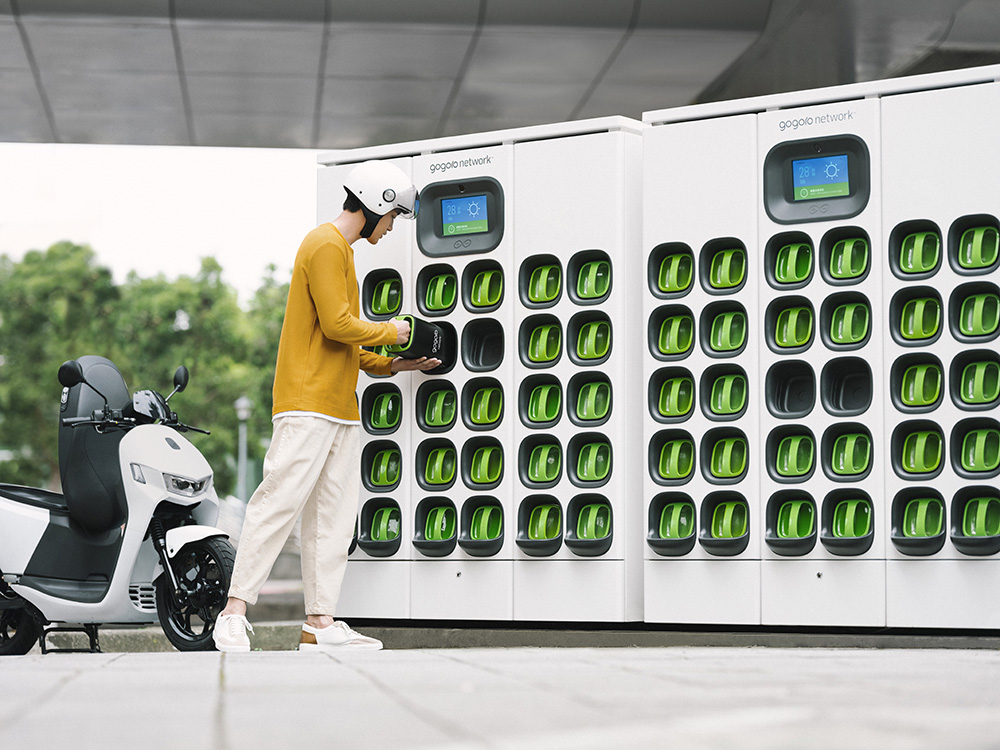
The passenger vehicle sector has also experimented with the model. Chinese EV maker Nio operates thousands of battery swap stations where drivers can exchange packs in just a few minutes. Meanwhile, Taiwanese company Gogoro has built an enormous network of battery-swapping hubs for electric scooters. Those projects have demonstrated that consumers are willing to embrace the technology when the infrastructure is reliable and widely available.
Europe, however, presents a different challenge. The region’s transportation network stretches across multiple countries with varying regulations, energy systems, and infrastructure priorities. Creating a unified battery-swapping ecosystem will require coordination between manufacturers, fleet operators, and governments. Even so, CATL’s experience in China gives the initiative a level of credibility that previous swap projects often lacked.
Why Trucking Could Be the Ideal Use Case
Passenger vehicles have largely benefited from improvements in fast-charging technology, reducing the urgency for battery swapping. Heavy-duty trucks are a different story. Their enormous energy requirements mean charging sessions can still take a considerable amount of time, even with advanced charging equipment. For logistics companies managing hundreds or thousands of vehicles, those delays can quickly affect operations and profitability.
Battery swapping changes the equation by separating charging time from driving time. Instead of waiting for a battery to recharge, operators would effectively rotate batteries through a network of hubs. This allows trucks to continue moving while batteries are charged separately in controlled conditions. In theory, it creates a system closer to traditional refueling, something fleet managers already understand and rely upon.
Another factor is vehicle weight. Large battery packs increase both vehicle mass and costs. Some industry analysts have argued that smaller batteries combined with frequent battery swaps could provide a more efficient solution for long-distance trucking. It reduces the need to carry oversized battery packs across entire journeys while maintaining operational flexibility.
More Than Charging Stations
Swaptopus is also exploring another advantage that could make its network financially attractive. Large numbers of batteries sitting at swap facilities could act as energy storage systems for the electrical grid. Batteries could charge when electricity demand is low and potentially supply power back to the grid during peak periods.
William Rowe, CEO of Swaptopus, has indicated that battery charging could be timed around grid needs. In practical terms, each swap hub may function as both a transportation facility and a localized energy asset. That could help stabilize renewable-heavy power networks that increasingly depend on flexible storage solutions.
However, this aspect may raise questions among fleet operators. Companies renting battery packs may want assurances that additional grid usage will not negatively affect battery lifespan or performance. Battery degradation remains one of the most closely watched concerns in commercial EV operations, especially for vehicles expected to cover hundreds of thousands of kilometers during their service life.
First UK Mega Hubs Planned for 2027
Swaptopus says its first large-scale battery swap hubs in the United Kingdom are expected to open in 2027. That timeline gives the company several years to secure partnerships with truck manufacturers, logistics providers, and infrastructure developers. Success will likely depend on whether enough fleet operators are willing to commit to the system early.
The trucking industry typically works on long investment cycles. Companies do not replace entire fleets overnight, and purchasing decisions often depend on confidence that supporting infrastructure will remain available for years. Building that trust will be just as important as constructing the swap stations themselves.
Still, the partnership brings together two influential players. Octopus Energy has rapidly grown into one of Europe’s most prominent energy companies, while CATL remains the dominant force in global EV battery production. If any companies have the resources to push battery swapping into the mainstream trucking market, it is difficult to find a stronger combination.
Whether battery swapping becomes a major part of Europe’s transport future remains to be seen. Yet as pressure grows to decarbonize freight transport, solutions that reduce charging downtime are likely to attract increasing attention. For now, Swaptopus is betting that swapping batteries in minutes could be more appealing than waiting hours for a recharge.