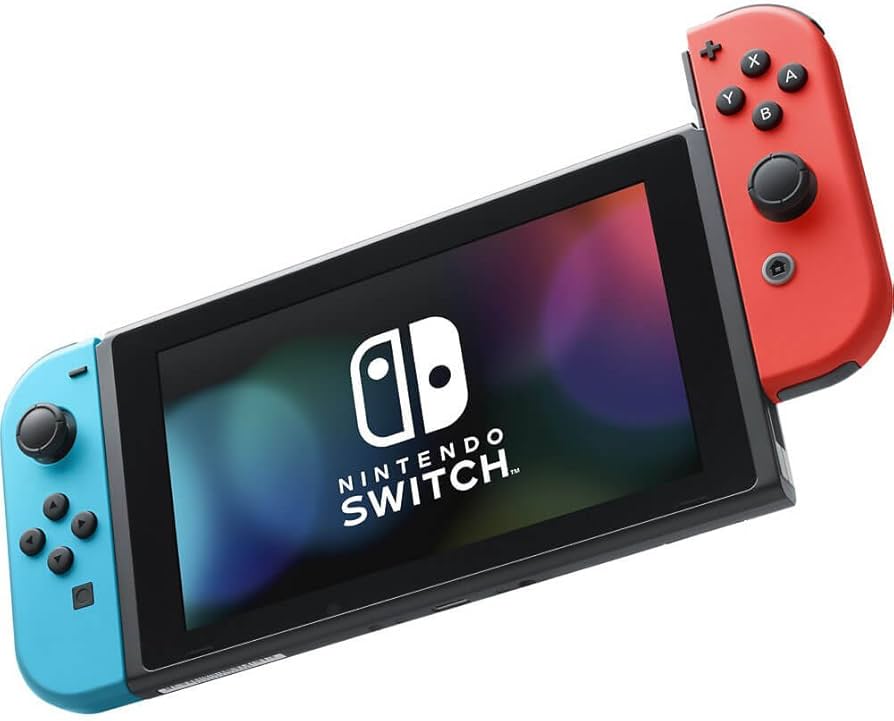
It was a rough day for Nintendo investors and a very strong one for Sony. Shares of Nintendo dropped sharply in Tokyo trading after the company announced higher pricing for the Nintendo Switch 2 and delivered financial guidance that left markets feeling underwhelmed. Meanwhile, Sony’s stock jumped after the company revealed stronger profit expectations for its gaming division along with a major semiconductor partnership connected to image sensor manufacturing.
Nintendo shares reportedly fell around 7% on Monday as investors reacted nervously to multiple concerns at once. While the company still posted strong hardware sales for the fiscal year ending in March, traders appeared disappointed by the outlook for the coming year. Analysts especially focused on concerns surrounding Nintendo’s future game lineup and whether the company currently has enough major blockbuster titles ready to sustain excitement around the Switch 2 launch cycle.
That concern matters because Nintendo’s success has always depended heavily on software momentum. The original Switch survived far longer than many expected largely because of powerhouse franchises like The Legend of Zelda, Super Mario, and Pokémon-related releases continuously pulling players back into the ecosystem. But right now, some investors worry the upcoming release schedule may not yet contain a truly massive system-selling title capable of driving another explosive growth cycle.
One analyst note specifically warned that Nintendo’s projected decline in game shipment guidance could signal lower confidence internally about the company’s near-term software pipeline. That immediately triggered concerns across the market because Nintendo’s business model relies far more heavily on exclusive first-party games compared to competitors with broader entertainment ecosystems.
At the same time, Nintendo also confirmed fresh price increases for the Switch 2. In Japan, the Japanese-language model will rise by roughly 10,000 yen starting later this month, while markets including the United States are expected to see price hikes beginning in September. Those increases come during a difficult period for electronics manufacturers globally as memory chip costs continue climbing sharply.
And honestly, pricing sensitivity may hit Nintendo harder than many other gaming companies because its audience includes a huge number of casual and family-focused players. Unlike hardcore gaming enthusiasts who may pay premium prices regardless, Nintendo’s broader consumer base often reacts more cautiously to hardware cost increases. That’s partly why investors appear nervous about how aggressively the company can push pricing without slowing momentum.
Still, not everyone on Wall Street is bearish about Nintendo’s future. Some analysts believe the company is intentionally setting conservative expectations, something Nintendo has historically done before eventually outperforming its own forecasts later in the year. One particularly optimistic prediction currently circulating suggests Nintendo could still unveil a major AAA Super Mario title before the year ends, which could dramatically shift sentiment around the platform.
Historically, Nintendo often experiences stronger engagement during the second year of a console cycle once the install base grows and software support expands. Analysts arguing in favor of the company believe current market fears may actually be overreacting too early before Nintendo fully reveals its long-term content strategy for Switch 2.
Meanwhile, Sony enjoyed almost the exact opposite investor reaction. Shares of the company reportedly climbed around 10% after stronger-than-expected confidence surrounding its gaming profitability and a new partnership announcement involving TSMC. Sony revealed plans for a new Japan-based joint venture focused on developing and manufacturing image sensors, an area where Sony already dominates globally through smartphone camera technology and advanced imaging systems.
That semiconductor expansion is important because Sony has increasingly been positioning itself as more than just a gaming company. While Nintendo remains heavily dependent on its core console business, Sony benefits from diversification across entertainment, music, film, sensors, semiconductors, and financial operations. That broader structure gives the company more flexibility during periods of gaming market pressure.
Analysts also believe Sony is currently in a better position to absorb rising component costs linked to memory chips because the PlayStation 5 has already spent years established in the market. In other words, Sony has more room to strategically manage pricing and shipment volumes without damaging momentum as severely as a newer platform might.
Interestingly, Sony’s gaming business itself forecast lower sales but higher profits — a sign the company may prioritize profitability over simply maximizing console shipments moving forward. Some analysts interpreted that as evidence Sony is becoming more disciplined financially during a period where hardware margins remain under pressure industry-wide.
The bigger story underneath all this is how expensive and competitive the gaming industry has become. Between rising semiconductor costs, AI-driven chip demand, global supply chain pressure, and soaring game development budgets, console makers are navigating one of the most challenging transitions in years. Companies are no longer competing only on hardware power — they now need blockbuster exclusives, subscription ecosystems, multimedia franchises, cloud services, and semiconductor strategies all at once.
For now though, investors seem to be making one thing clear: they still believe blockbuster games drive everything. Nintendo’s future momentum may ultimately depend less on hardware specifications or price hikes and far more on whether Mario, Zelda, or another major franchise delivers the kind of must-play cultural moment that only Nintendo can create.