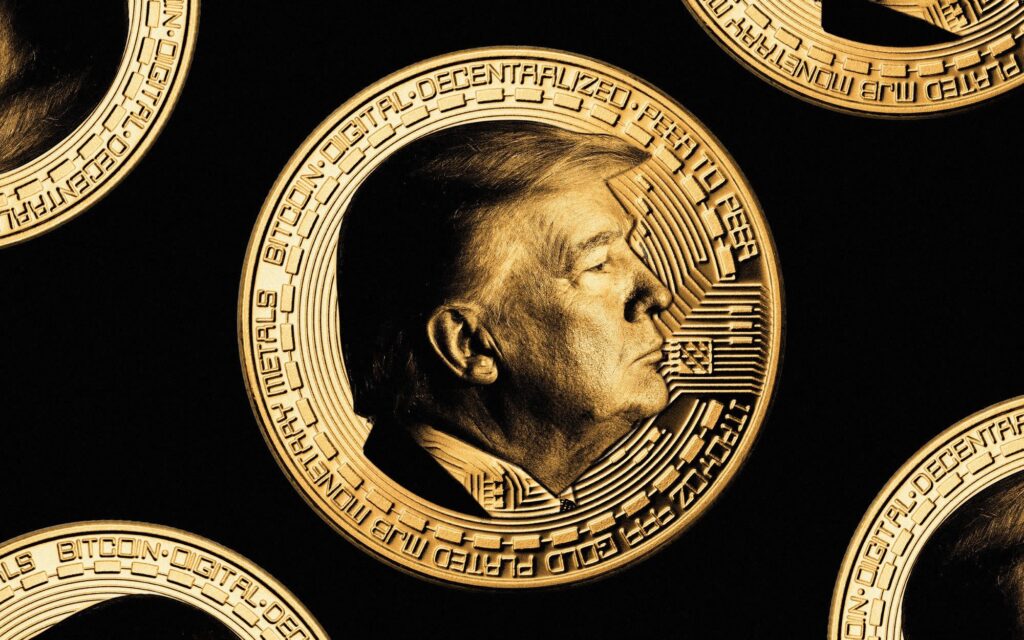
The world of crypto is once again colliding with politics, and this time it’s happening inside the luxury walls of Mar-a-Lago. U.S. President Donald Trump is hosting a high-profile gala tied to his own meme cryptocurrency, $TRUMP, and the timing couldn’t be more dramatic. While the event is being pitched as an elite gathering of top investors, the token itself has lost almost all of its early hype, crashing heavily since launch. That contrast alone is raising eyebrows across both financial and political circles.
The guest list itself tells a story. Around 297 of the biggest $TRUMP holders have secured entry to what Trump is calling one of the most exclusive crypto-business events in the world. And for the top 29 buyers, things get even more exclusive with a VIP reception, champagne toast, and direct interaction with the president. But this isn’t just about crypto fandom or investor loyalty — it’s also about influence, access, and how closely business interests are now overlapping with political power.
Behind the glamour, there’s a growing wave of concern. Critics, especially among Democratic leaders, are questioning how a sitting president can shape crypto policy while simultaneously benefiting from the same ecosystem. Reports suggest the Trump family has already generated over $1 billion through various crypto ventures, with a significant chunk coming from meme coin-related activities alone. The official stance from the White House maintains that Trump’s assets are managed by his children and that there is no conflict of interest — but not everyone is convinced, and the debate is only getting louder.
What makes the situation more complicated is the actual performance of the $TRUMP token. At its peak, it reached around $75, riding the early wave of hype and political branding. But as of now, it’s trading near its lowest levels, around $2–3, marking a staggering 96% drop. That means many early retail investors who jumped in during the buzz have seen their investments shrink dramatically. Meanwhile, insiders and early stakeholders appear to have already secured significant gains, adding fuel to criticism about how these projects are structured.
There’s also a noticeable shift in investor sentiment. Data from crypto analytics firms suggests that this year’s contest didn’t generate the same excitement or long-term confidence as the initial launch. Back in 2025, buyers held onto their tokens, driving momentum and sustained growth. This time, activity spiked briefly during the contest period but failed to hold, hinting that enthusiasm around the token may be fading faster than expected.
Adding another twist to the story is the presence of Justin Sun, a major crypto figure who once again topped the $TRUMP holder rankings. However, his involvement is now clouded by legal trouble. Sun has reportedly taken action against a Trump-linked crypto venture, alleging his holdings were frozen, while the company has pushed back, calling his claims baseless. This internal conflict is only deepening concerns about transparency and governance within the broader Trump crypto ecosystem.
At its core, meme coins like $TRUMP are driven more by internet culture and hype than real-world utility. They often follow a familiar pattern — rapid rise fueled by excitement, followed by a steep correction once momentum fades. What makes this case different, though, is the political layer attached to it. This isn’t just another viral token — it’s tied to a sitting U.S. president, making every move far more scrutinized and impactful.
The Mar-a-Lago gala may deliver a night of prestige and exclusivity for top investors, but it also highlights a much bigger conversation happening in the background. Where does the line sit between political power and personal business ventures? And in a space as volatile as crypto, who really benefits when the hype fades? Right now, those questions seem far from answered — and this story looks like it’s just getting started.