OpenAI Considers Expanding its AI Reach with NATO Collaboration
In a world where technology and global alliances intersect, OpenAI seems to be carving a unique path. The AI powerhouse is reportedly contemplating a significant move—to extend its innovative technology to the North Atlantic Treaty Organization (NATO)’s unclassified networks. This potential collaboration comes hot on the heels of a recent deal inked with the Pentagon, sparking a buzz in both tech and defense circles.
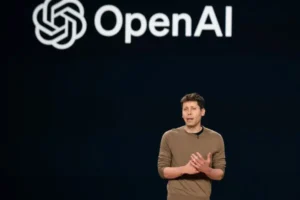
The Wall Street Journal recently highlighted this intriguing development, noting that OpenAI’s CEO, Sam Altman, had initially floated the idea of deploying AI across all NATO classified networks during an internal meeting. However, a company spokeswoman later clarified the scope was limited to unclassified networks, suggesting a more measured approach.
NATO, comprising 32 member countries, has not yet commented on this potential partnership. Meanwhile, OpenAI—which enjoys backing from tech giants like Microsoft and Amazon—continues to make waves in the AI domain. Its recent agreement with the Pentagon to deploy AI within the U.S. Department of Defense’s secure networks marks a notable milestone, especially given the backdrop of a government directive to cease work with its competitor Anthropic.
The Anthropic angle adds further intrigue. The company, known for its reluctance to allow its AI models to be used for mass surveillance or autonomous weaponry, found itself at an impasse with the Pentagon. This has led to OpenAI stepping into the spotlight, even as the Pentagon assures there are no plans to utilize AI for mass surveillance or create weapons without human oversight.
OpenAI has assured that its technology will not be used for domestic surveillance of U.S. citizens, a stance reiterated in a recent update. This assurance appears to align with the Pentagon’s policy, which excludes intelligence agencies like the NSA from accessing these AI services.
Reflecting on the Pentagon deal, Altman acknowledged the complexity and potential brand impact of such high-stakes decisions. Though challenging, he emphasized the necessity and strategic importance of these collaborations for OpenAI’s future growth and influence in the tech sector.
As OpenAI navigates these promising yet complex waters, tech enthusiasts and industry watchers alike are keen to see how these partnerships unfold. Will we see a new era of AI-driven cooperation between tech innovators and global alliances? Only time will tell.
For now, it’s clear that OpenAI’s ambitions are set on a grand stage—one that involves redefining the intersection of technology and defense in an increasingly interconnected world.