Apple is finally stepping into the foldable race—and if leaks are anything to go by, it’s not playing safe. The upcoming iPhone Fold is shaping up to be a full-blown premium “Ultra” device, expected to debut alongside the iPhone 18 Pro lineup this September.
And yes, this isn’t just another experiment—it looks like Apple is aiming straight at rivals like Samsung and Motorola in the high-end foldable space.
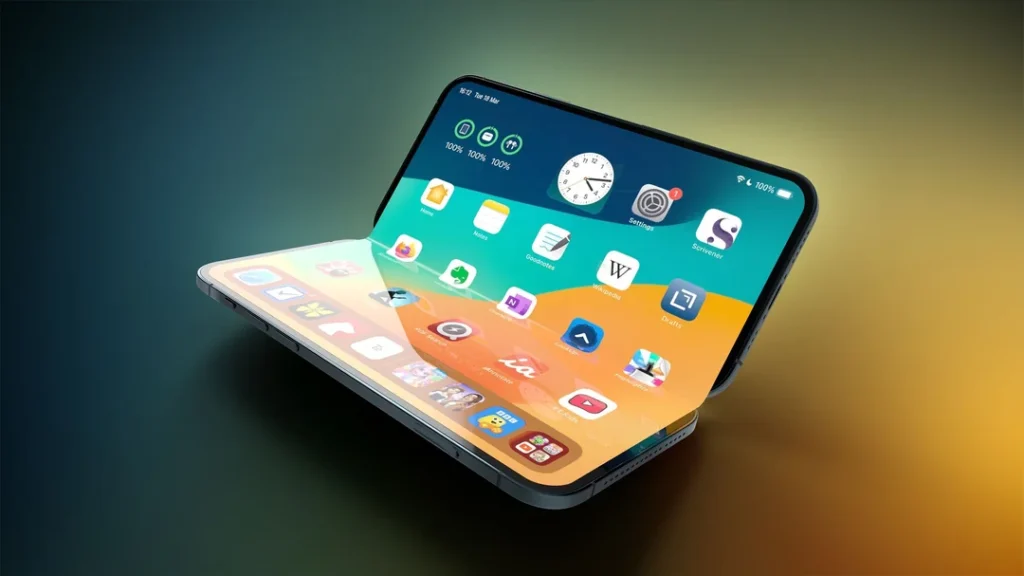
A Foldable That Looks Like a Tablet When Open
Apple is reportedly going with a book-style fold, not a flip design.
When closed, you get a compact 5.5-inch display. Open it up, and it expands into a 7.8-inch screen with a 4:3 ratio, almost like a mini iPad.
The big talking point? A near crease-free display—something most foldables still struggle with. Apple is said to be using ultra-thin glass and even experimenting with advanced hinge tech, possibly involving high-end materials like liquid metal and 3D-printed components.
It’s thin too—around 4.5–4.8mm unfolded, which could make it one of the slimmest foldables ever.
Apple Might Ditch Face ID Here
In a surprising move, the foldable iPhone may skip Face ID entirely.
Instead, Apple is expected to bring back Touch ID integrated into the power button. The reason likely comes down to space constraints and design challenges with foldable hardware.
No TrueDepth camera system either—another big shift from current iPhones.
Performance Will Be Top-Tier, No Surprise
Under the hood, this device is expected to run on Apple’s upcoming A20 Pro chip, built on a cutting-edge 2nm process.
That means serious performance gains, especially for AI features tied to Apple Intelligence.
You’re looking at:
- Up to 12GB RAM
- Storage options up to 1TB
- A new Apple C2 modem replacing Qualcomm chips
And interestingly, Apple may go fully eSIM-only, continuing its push away from physical SIM cards.
Biggest iPhone Battery Yet?
This might be the biggest shock—battery.
Leaks suggest a 5,400–5,800mAh battery, which would easily be the largest ever in an iPhone. That’s a clear sign Apple knows foldables demand more power and is ready to adapt.
Camera Setup: Different, Not Extreme
Apple isn’t going overboard with cameras here.
Instead of a bulky setup, it’s expected to feature:
- Dual 48MP rear cameras (wide + ultra-wide)
- 24MP front camera (outer display)
- Possibly under-display tech for the inner screen
No telephoto lens, which suggests Apple is prioritizing design and space over zoom capabilities this time.
Price and Launch Timeline
This is where things get serious.
The iPhone Fold is expected to cost $2000–$2500 (roughly ₹1.6–₹2 lakh+), putting it firmly in ultra-premium territory.
While the announcement could happen in September, actual availability might slip to December—typical for a first-gen product of this scale.
Why This Launch Matters More Than It Seems
Foldables have been around for a while—but Apple entering the space changes the conversation.
Until now, companies like Samsung have led innovation here. But Apple’s strength has always been refinement, not rushing first.
If the iPhone Fold delivers on:
- Minimal crease
- Solid hinge durability
- Optimized iOS experience
…it could redefine what people expect from foldables.
Right now, it’s all leaks—but the direction is clear.
Apple isn’t just making a foldable.
It’s trying to make one that finally feels complete.