The cloud has been the center of tech for years—but HP is now pushing a different idea. At its Imagine 2026 event in New York, the company made a strong case for shifting AI away from distant servers and bringing it directly onto your device.
This isn’t just a product update. It’s a strategy shift.
Instead of treating AI as something you access online, HP wants it embedded into everyday work—running locally on laptops, workstations, and enterprise systems. And that could change how businesses use AI at scale.
Why HP Is Moving AI Off the Cloud
One big issue HP highlighted is cost. As more companies rely on AI tools, cloud usage can quickly become expensive—what HP calls the “AI tax.” Running models locally cuts down those recurring costs and reduces delays, since data doesn’t need to travel back and forth.
It also solves another growing concern: control.
With more industries focusing on data privacy and “sovereign AI,” keeping processing on-device means sensitive information stays within the company’s own systems—not on external servers.
HP even demonstrated large AI models running directly on workstations, showing that local processing is no longer a future idea—it’s already happening.
A More Practical Approach to AI
While competitors are still pitching general-purpose AI PCs, HP is taking a more focused route. The company is building AI tools tailored to specific industries—like construction, healthcare, and retail.
In architecture and construction, for example, HP is trying to connect the full workflow—from design to real-world execution. Teams can simulate projects, adjust designs, and even translate those plans directly onto physical surfaces using automated tools.
In retail and healthcare, the idea is simple: use AI to assist decisions in real time. That could mean identifying returning customers in stores or helping doctors with faster insights during treatment.
The focus here isn’t flashy features—it’s measurable outcomes.
No Headsets, Still 3D
One of the more interesting reveals was HP’s collaboration with Google on Beam. Instead of relying on VR headsets, HP is building a system that creates a 3D communication experience without extra hardware.
The upcoming HP Dimension platform aims to make virtual meetings feel more real—closer to being in the same room—without the complexity that usually comes with AR/VR setups.
If it works, it could reshape how teams collaborate remotely.
HP IQ: AI That Lives Inside Your Device
At the center of this push is HP IQ—an AI system designed to run locally rather than in the cloud. It works across the device instead of as a separate app, helping with tasks like summarizing meetings or assisting with everyday workflows.
Because it runs on-device, it’s faster, more private, and doesn’t rely heavily on internet connectivity. It also connects with nearby devices, making it easier to share files and data in real-world environments.
This is HP’s bigger play: making AI feel invisible but always available.
The Hardware That Powers It
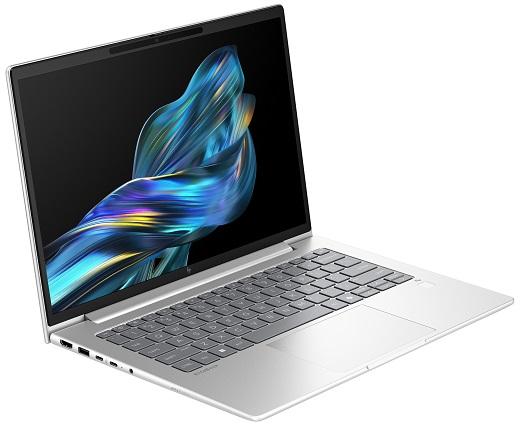
To support all this, HP is upgrading its hardware lineup—and the standout is the HP EliteBook 6 G2q.
Built on the Snapdragon X Elite platform, it delivers a major jump in AI processing power, capable of handling complex workloads directly on the device. It also focuses on real-world usability, offering long battery life and a lightweight design aimed at mobile professionals.
HP positions it as more than just another laptop—it’s a foundation for how future AI systems will run locally.
What This Means Going Forward
HP’s message at Imagine 2026 is pretty clear: AI won’t stay locked in the cloud forever.
The company is betting that the next phase of computing will happen closer to the user—on personal devices, inside workflows, and across connected systems. It’s a shift from experimentation to integration.
And if that shift actually sticks, the way we use AI at work could look very different in just a few years.