OpenAI’s New Alliance with Pentagon: A Deal with Built-in Safeguards
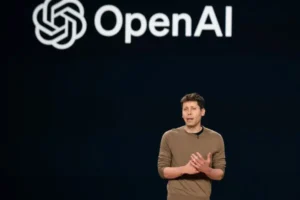
In the high-stakes world of AI development, partnerships are often forged with strategic precision. Recently, OpenAI, known for its groundbreaking work in artificial intelligence, has inked an agreement with the Pentagon that sets a new standard for ethical technology deployment. This move comes at a time when the defense sector is eyeing AI innovations with both enthusiasm and caution.
At the heart of this groundbreaking deal are stringent safeguards designed to prevent the misuse of AI, particularly in sensitive areas like autonomous weapons. OpenAI has laid down three non-negotiable red lines: their technology must not be used for mass surveillance, directing autonomous weapons, or making high-stakes automated decisions. This comprehensive approach ensures that even as AI continues to evolve, its deployment remains ethical and controlled.
Interestingly, this agreement coincides with a directive from former U.S. President Donald Trump, who instructed the government to distance itself from Anthropic, another AI powerhouse. The Pentagon’s decision to label Anthropic a potential supply-chain risk sent ripples through the industry. In contrast, OpenAI has vocally opposed this designation, asserting that Anthropic does not pose such a risk.
OpenAI’s collaboration with the Pentagon isn’t just about technological exchange; it’s about setting new benchmarks for AI deployment in defense. The tech firm, bolstered by support from giants like Microsoft, Amazon, and SoftBank, sees this as an opportunity to lead by example. They emphasize a multi-layered strategy to ensure safety, involving cloud deployment and involvement of cleared personnel in the process.
It’s important to note that the Pentagon has been actively forging ties with major AI labs, including Anthropic, OpenAI, and Google, with agreements worth up to $200 million each. This reflects a broader strategy to harness AI’s potential while navigating its risks. However, OpenAI has made it clear that any breach of their contract by the U.S. government could lead to a termination of the agreement, further underscoring their commitment to their ethical guidelines.
As the world watches this collaboration unfold, it raises intriguing questions about the future of AI in defense. Will these safeguards serve as a model for other partnerships? And how will this impact the perception of AI as a tool for good? OpenAI’s stance could very well influence future agreements in this rapidly evolving field.
In closing, OpenAI’s agreement with the Pentagon not only sets a precedent for ethical AI deployment but also highlights the importance of maintaining robust ethical standards amid technological advancements. As the AI landscape continues to shift, such partnerships will likely play a crucial role in shaping how AI integrates into various sectors, balancing innovation with responsibility.