SpaceX is finally moving closer to the stock market — but if you were expecting a typical public company setup, this isn’t that. Not even close.
Fresh details from its confidential IPO filing show one clear thing: Elon Musk isn’t giving up control. Not now, not after listing.
Musk Stays Firmly in Charge — Even After IPO
The company is planning a dual-class share structure, which basically means not all shares are equal.
Public investors will get Class A shares — one vote each. But Musk and a small group of insiders will hold Class B shares, carrying 10 votes per share.
So even after going public, real decision-making power stays concentrated at the top.
And it doesn’t stop there. The filing also hints at restrictions that could limit how much outside shareholders can influence board decisions or even challenge the company legally.
This kind of setup isn’t new in tech — but it does send a message.
SpaceX wants public money… without giving up control.
A $1.75 Trillion Ambition — And a Record IPO
The scale of this IPO is massive.
SpaceX is reportedly targeting a valuation of around $1.75 trillion, with plans to raise roughly $75 billion. If it happens at that level, it would become the biggest IPO in history.
Musk will continue as CEO, CTO, and chairman — holding multiple roles at once.
Interestingly, his salary last year was just over $54,000, but his real wealth will come from equity once the company lists.
The Numbers — Strong, But Not Simple
For the first time, investors are getting a clearer look at SpaceX’s finances. And it’s… complicated.
By the end of 2025, the company had:
Cash: $24.8 billion
Assets: $92 billion
Liabilities: $50.8 billion
Revenue reached $18.67 billion, but despite that, SpaceX posted a $4.94 billion loss for the year.
That’s a big swing from profit the previous year.
Starlink Is Carrying the Weight
The key reason SpaceX is still standing strong financially? Starlink.
Its satellite internet business generated around $4.42 billion in operating profit, helping offset major losses elsewhere.
Without Starlink, the picture would look very different.
The Real Money Is Going Into AI
The biggest shift here isn’t rockets — it’s AI.
After integrating Musk’s AI venture xAI, SpaceX dramatically increased its spending. Capital expenditure jumped to over $20.7 billion, with more than half going directly into AI infrastructure.
That’s nearly a fivefold increase in just two years.
The AI segment alone saw spending rise to $12.7 billion, which explains why losses widened so sharply.
Still, compared to giants like Meta, it’s smaller — but for a company rooted in space tech, it’s a huge pivot.
A Company Balancing Two Worlds
Right now, SpaceX is doing two very different things at once.
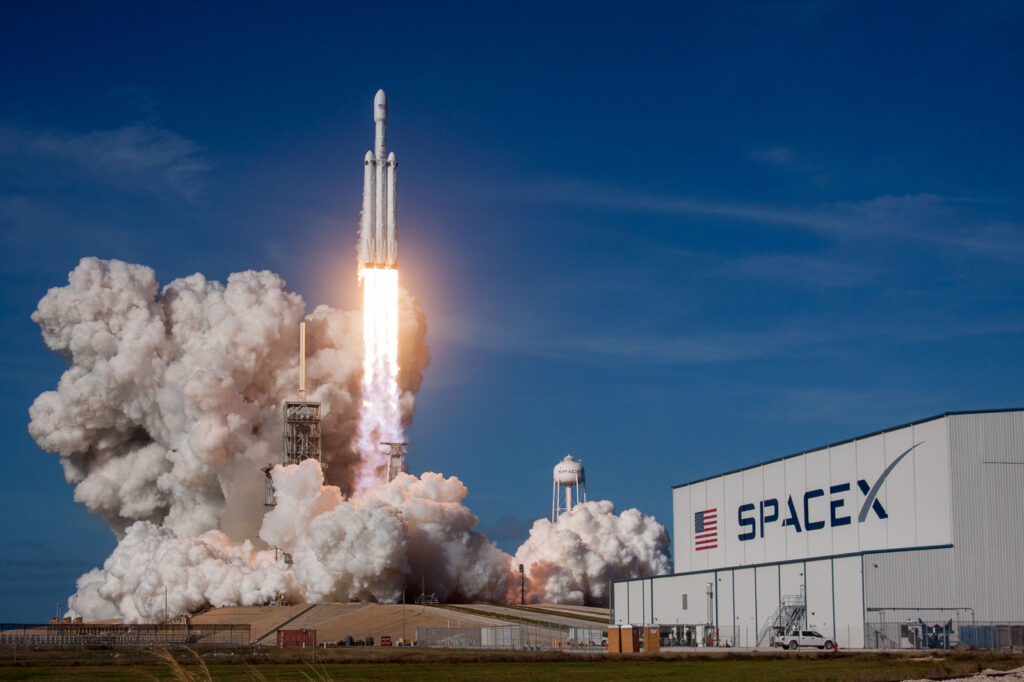
On one side, it’s a space company — launching rockets, building satellites, pushing toward Moon missions.
On the other, it’s turning into a serious AI player, investing billions into infrastructure and long-term tech bets.
That dual identity is exciting… but also risky.
The Bigger Picture — Power vs Public Investors
This IPO isn’t just about raising money. It’s about structure.
SpaceX is setting itself up like many founder-led tech giants — where the public can invest, but can’t really steer the company.
For some investors, that’s fine. They’re betting on Musk’s vision.
For others, it raises concerns about accountability.
Right now, this is still based on filing details — no final IPO date yet, no confirmed pricing.
But one thing is already clear: if SpaceX goes public, it won’t be a typical listing.
It’ll be one of the biggest, most controlled, and most closely watched IPOs the market has ever seen.