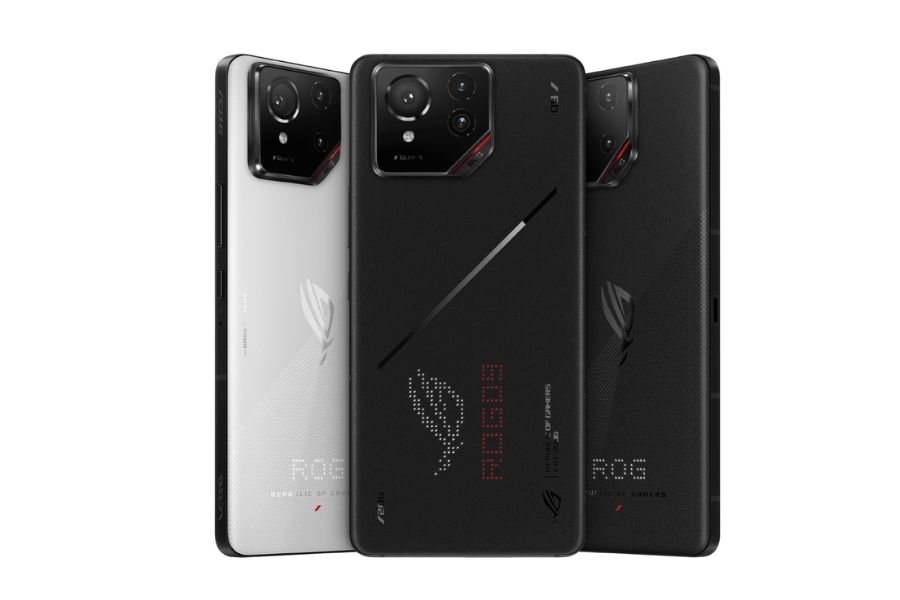
Asus is pressing pause on one of its most visible consumer businesses. The Taiwanese tech giant has reportedly decided to temporarily halt the launch of all new smartphones, choosing instead to redirect its energy and resources toward artificial intelligence hardware — a move that signals a major strategic reset for the company.
According to reports citing company leadership, Asus believes the future growth curve no longer lies in smartphones, but in AI-driven devices and commercial computing.
Smartphones Take a Back Seat—for Now
During the company’s 2025 year-end gala in Taipei on January 16, Asus chairman Jonney Shih reportedly confirmed that the company will stop introducing new models under its existing smartphone lineups.
While the halt has been described as “temporary,” executives made it clear that no new Zenfone or ROG phone models will be added going forward, effectively putting those series on ice. Whether this transition has already begun or will roll out gradually remains unclear, but the intent is firm: Asus is stepping away from new handset launches.
Why Asus Is Walking Away From Phones
Behind the decision lies a harsh reality facing the smartphone industry. Rising memory and RAM prices, coupled with ongoing supply-chain constraints, are squeezing margins — especially for products that are not deeply tied to AI innovation.
According to Shih, non-AI consumer electronics are facing “severe challenges,” making it harder for companies to justify large R&D investments in phones that deliver limited long-term growth. For Asus, the math no longer adds up.
Where the Focus Is Shifting: AI, PCs, and Robotics
Instead of smartphones, Asus is now pivoting toward what it calls “physical AI devices.” This includes:
- Commercial and enterprise PCs
- AI-powered robots
- AI smart glasses
These segments are seen as having far stronger growth potential in the coming years, especially as businesses and consumers increasingly adopt AI-driven tools and hardware ecosystems.
The company plans to redirect its research and development resources toward these areas, marking a clear shift from consumer mobile devices to future-facing AI infrastructure.
What About Existing Asus Phone Users?
For current Asus smartphone owners, there’s some reassurance. Company executives have reportedly stated that after-sales support will continue, including software updates, maintenance services, and warranty coverage.
Asus has emphasized that existing customers will not be abandoned — even as new models are shelved. However, the company is also said to be winding down its retail pipeline, with smartphone distributors in Taiwan expected to stop receiving new Asus handset stock.
A Long Goodbye for Zenfone and ROG?
This announcement follows earlier reports suggesting that Asus was already planning not to launch new smartphone models in 2026. The latest development appears to turn that quiet slowdown into an indefinite delay, raising serious doubts about whether the brand will ever return to the smartphone market in a meaningful way.
While Asus hasn’t officially used the word “exit,” the message is clear: smartphones are no longer a priority.
Final Words
Asus’ decision reflects a broader shift in the tech industry, where AI hardware is fast becoming the new battleground — and traditional smartphones are losing their shine. By stepping back now, Asus seems intent on avoiding a slow decline and instead betting early on what it believes will define the next decade.
Whether this “temporary” pause becomes permanent remains to be seen. But for now, Asus has made its choice — and the future it’s chasing is powered by AI, not smartphones.